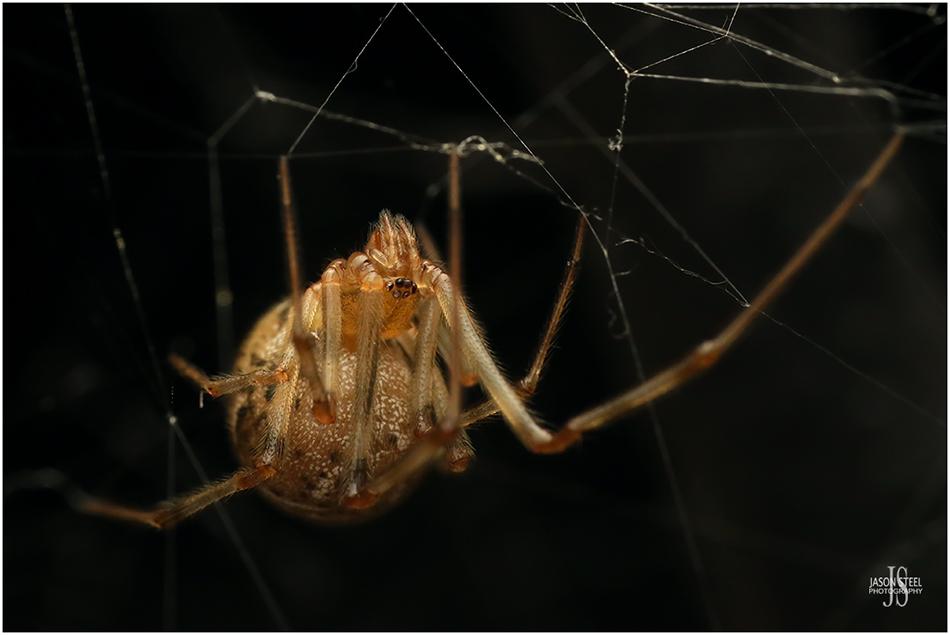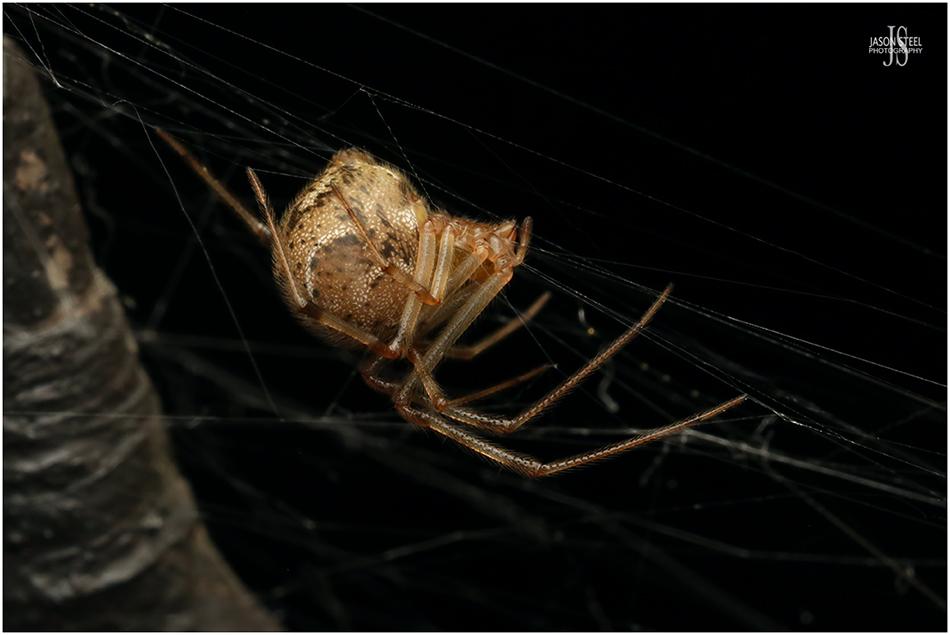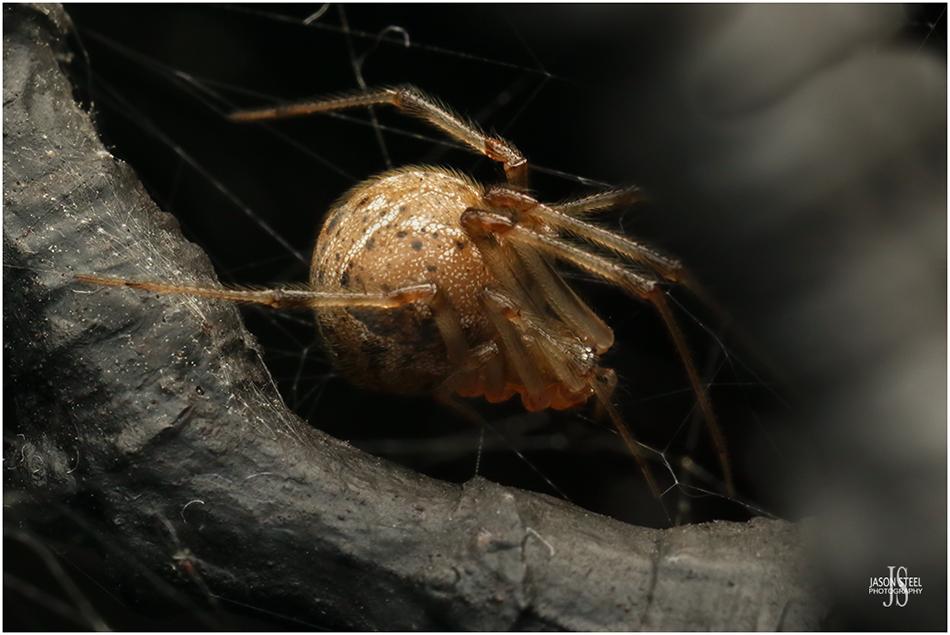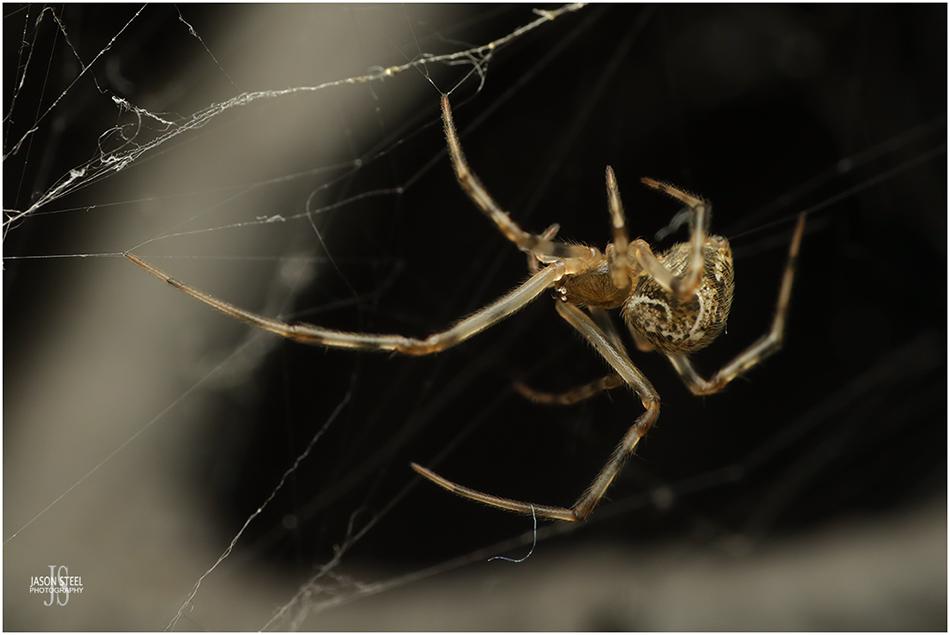
Spain has over 1400 different species of spider. Some sources claim that number is over 1700 species! Only three of these spiders have a medically significant bite though, and can pose a serious risk to humans. There are two species of Black Widow, Latrodectus tredecimguttatus and Latrodectus Lilianae, and the Mediterranean Recluse Spider, Loxosceles rufescens. Spain is also home to one of the largest spiders in Europe, the Andalusian Funnel-web Spider / Gibraltar Funnel-web Spider, Macrothele calpeiana, which can reach a body-length of up to 35mm. Macrothele calpeiana is the only species of spider that is protected under European Law. See species list here. Although Spain has some large spiders it doesn't have any real Tarantulas, from the family Theraphosa. Spain does have some rather large Wolf Spiders, including the Spanish Wolf Spider, Lycosa hispanica.


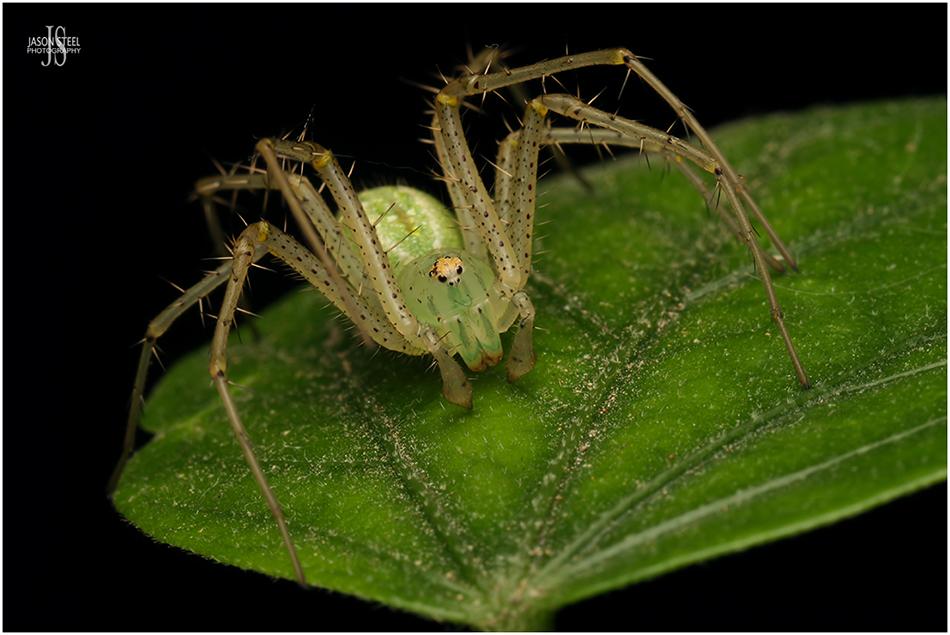
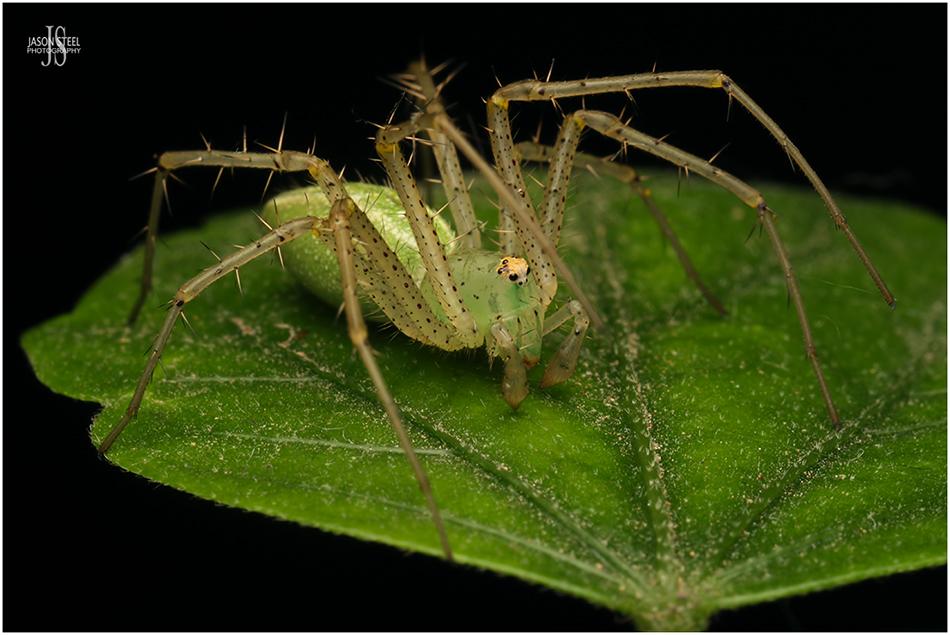
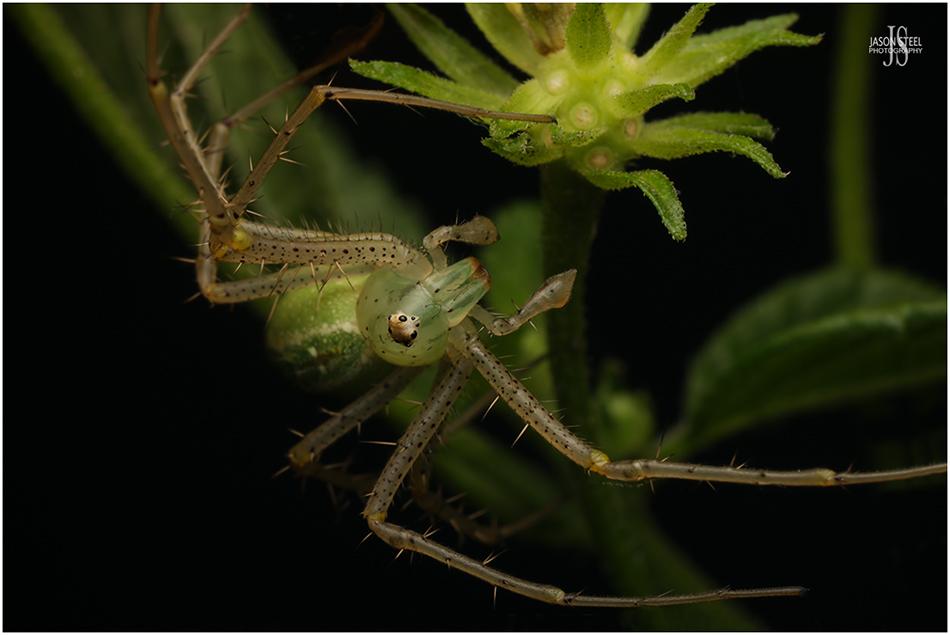
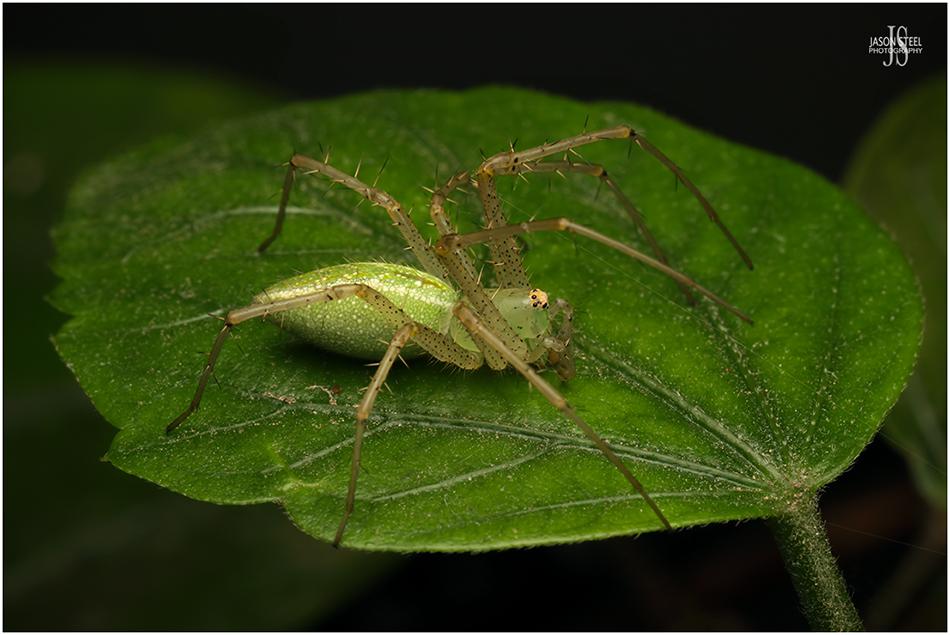
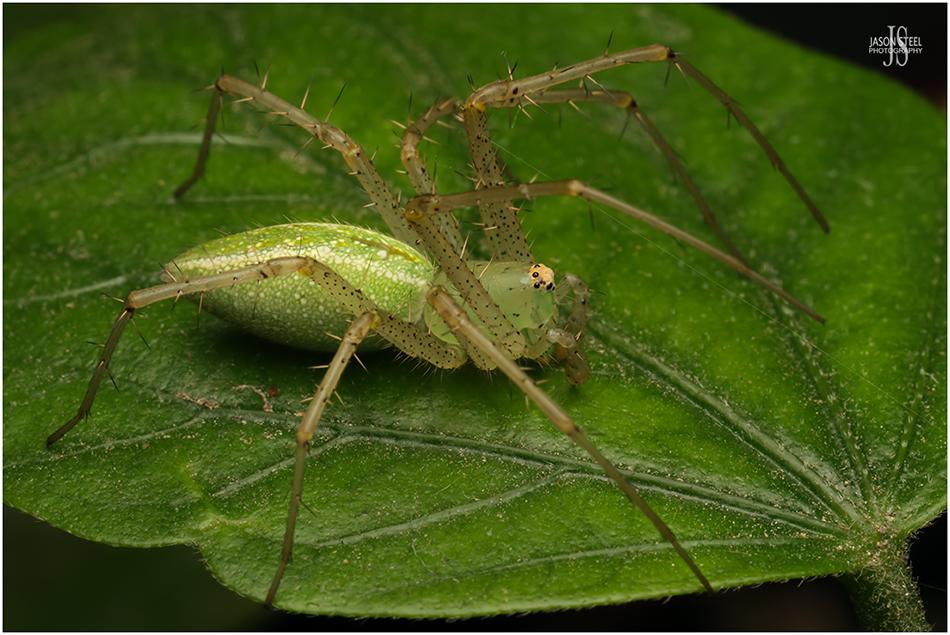
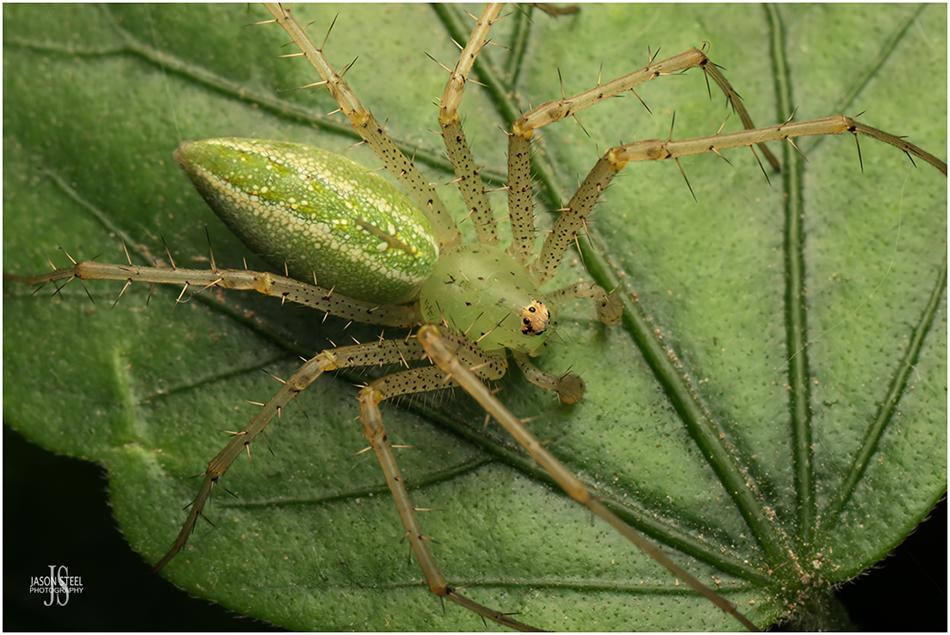
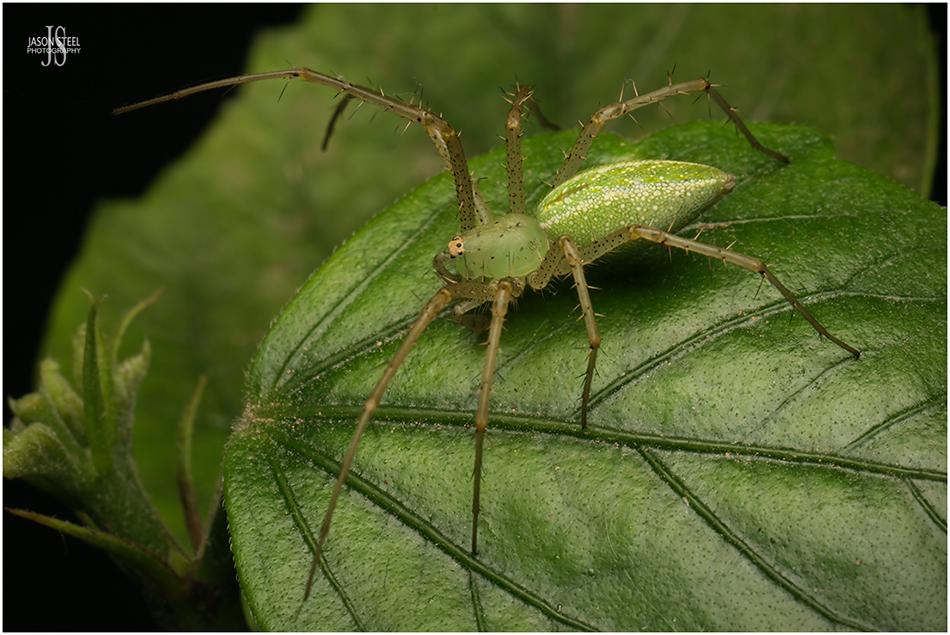
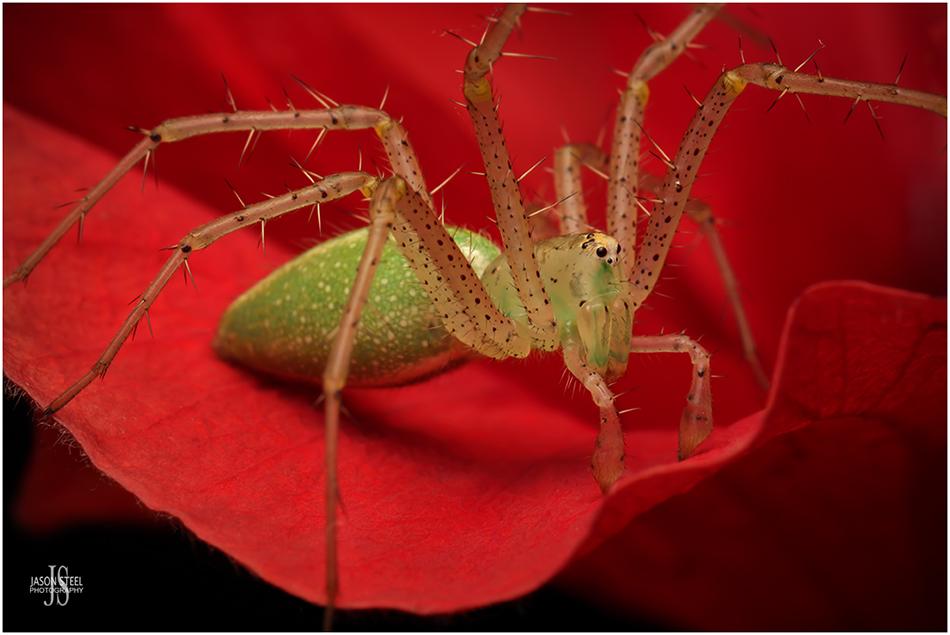
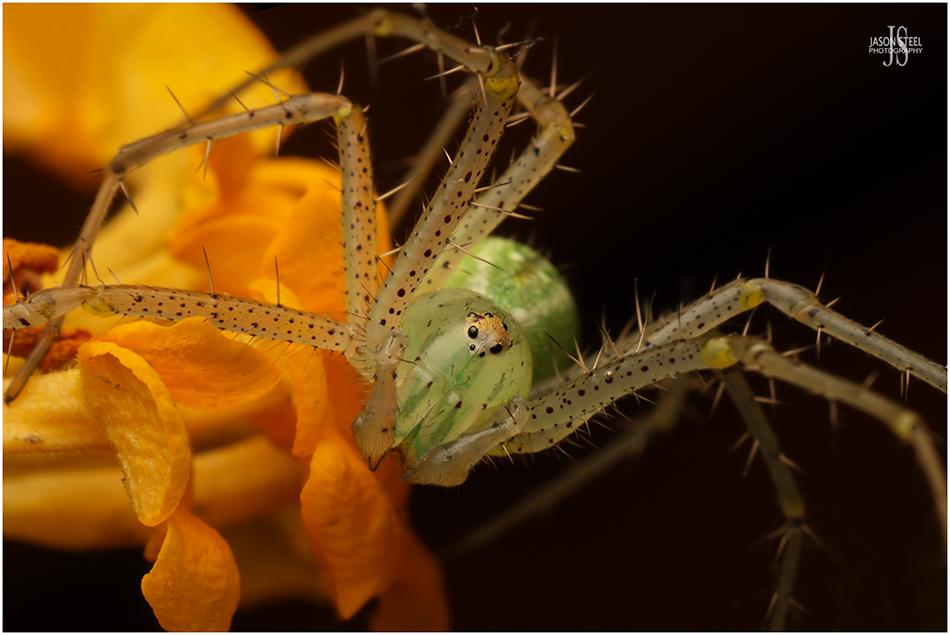
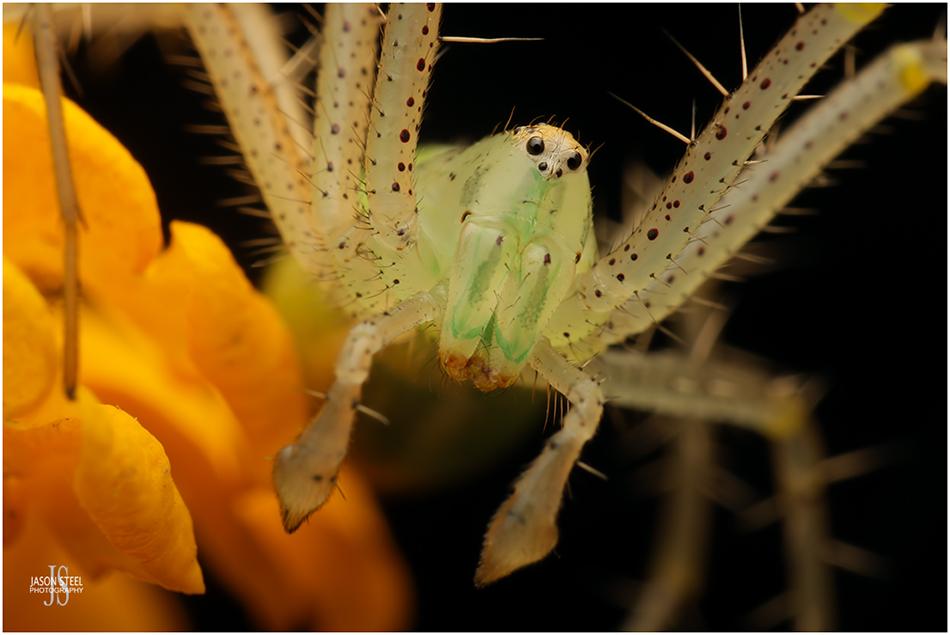
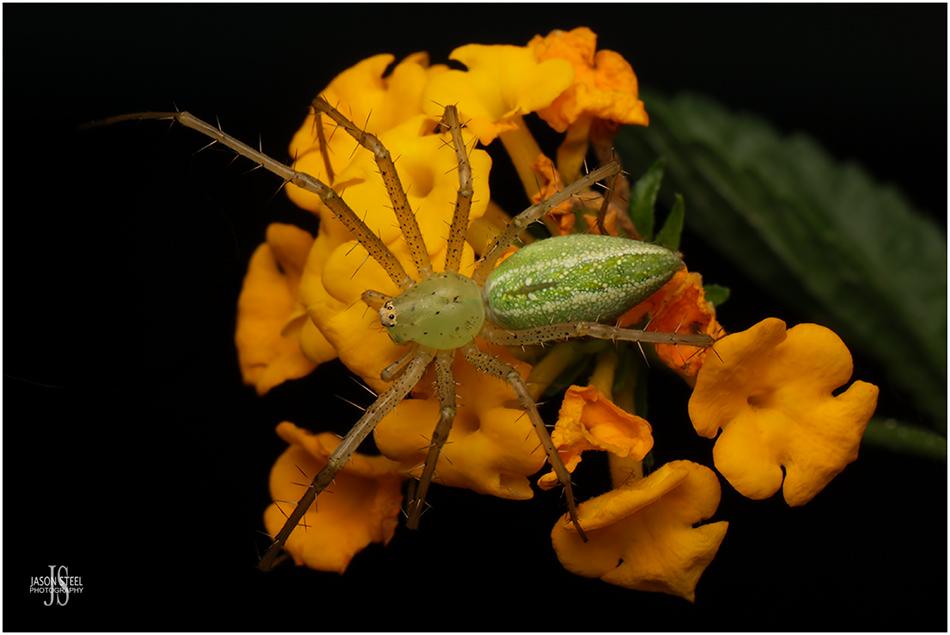
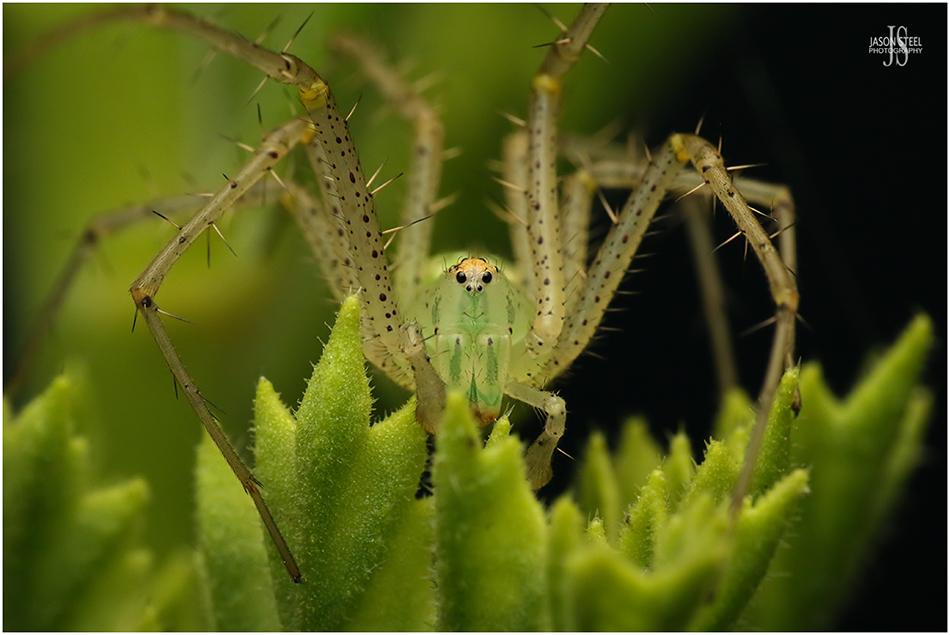
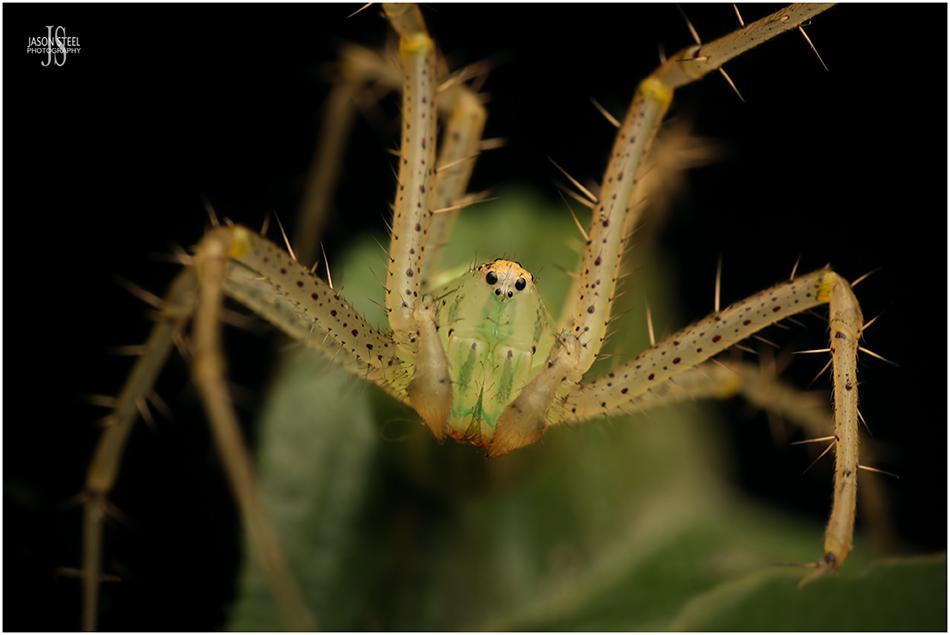
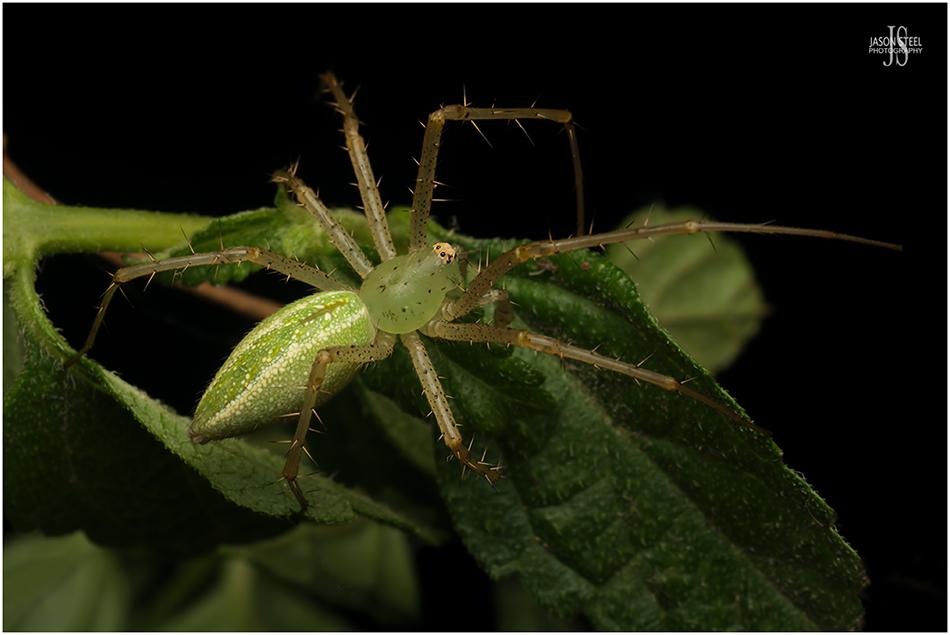
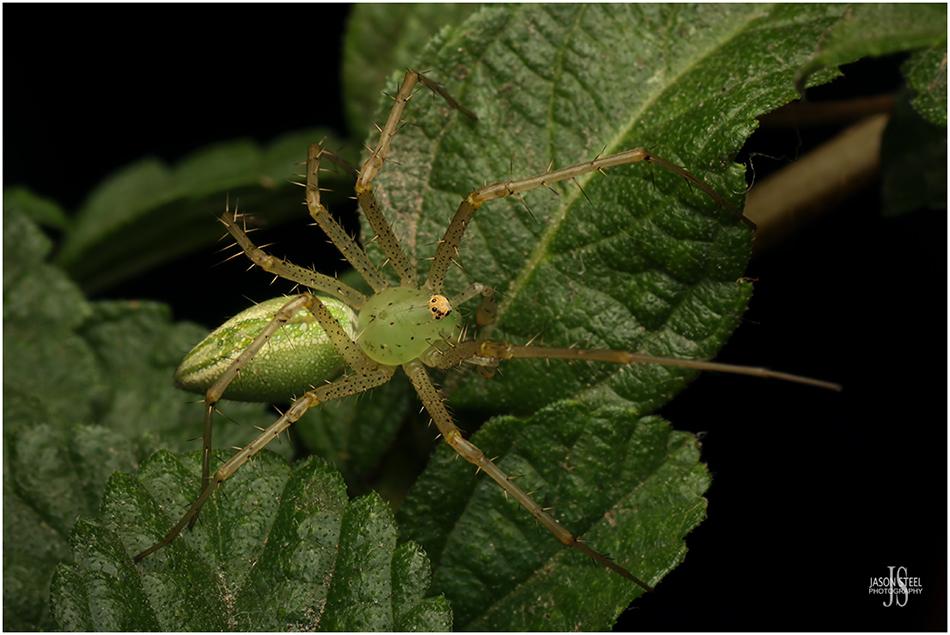
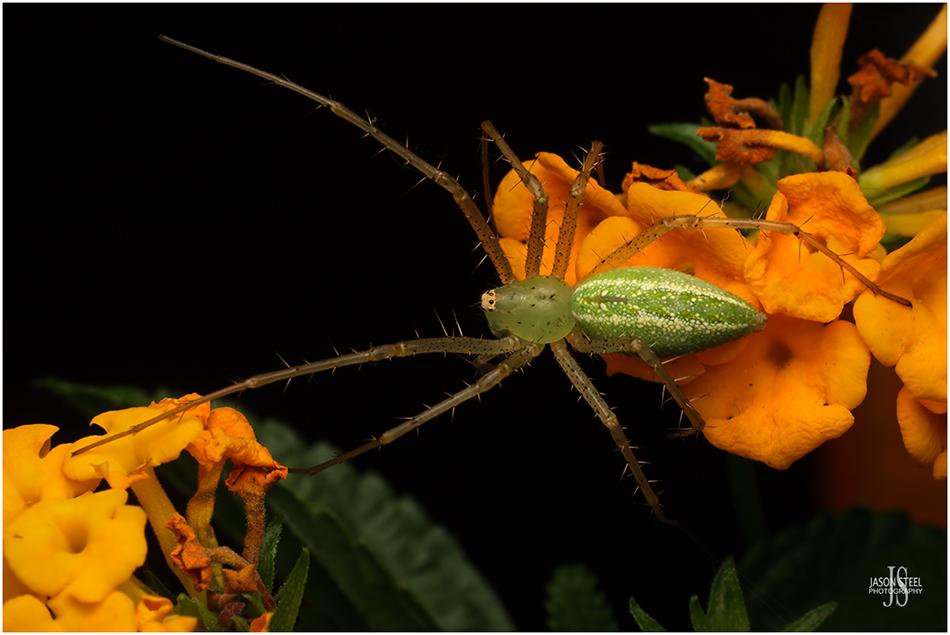
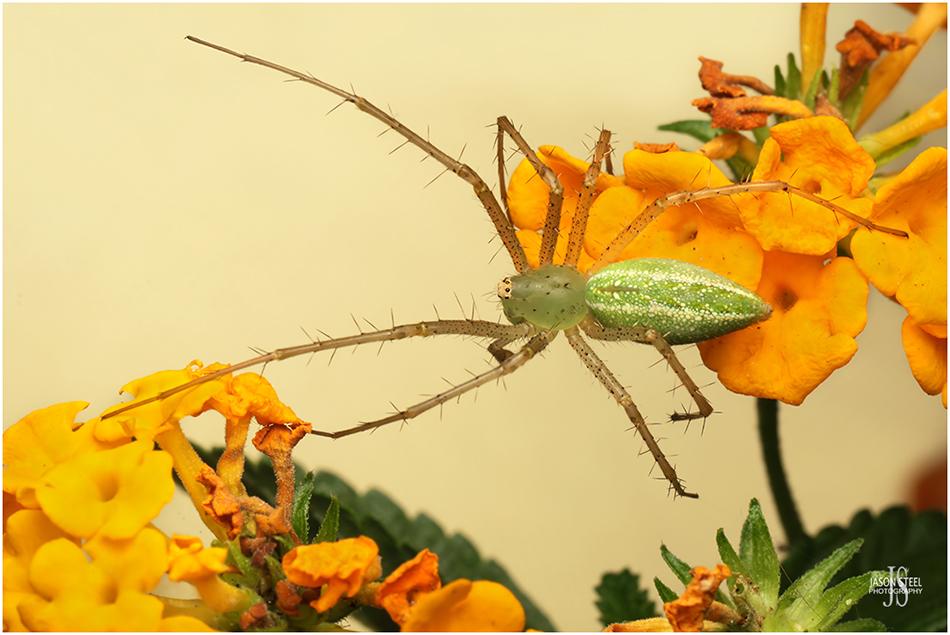
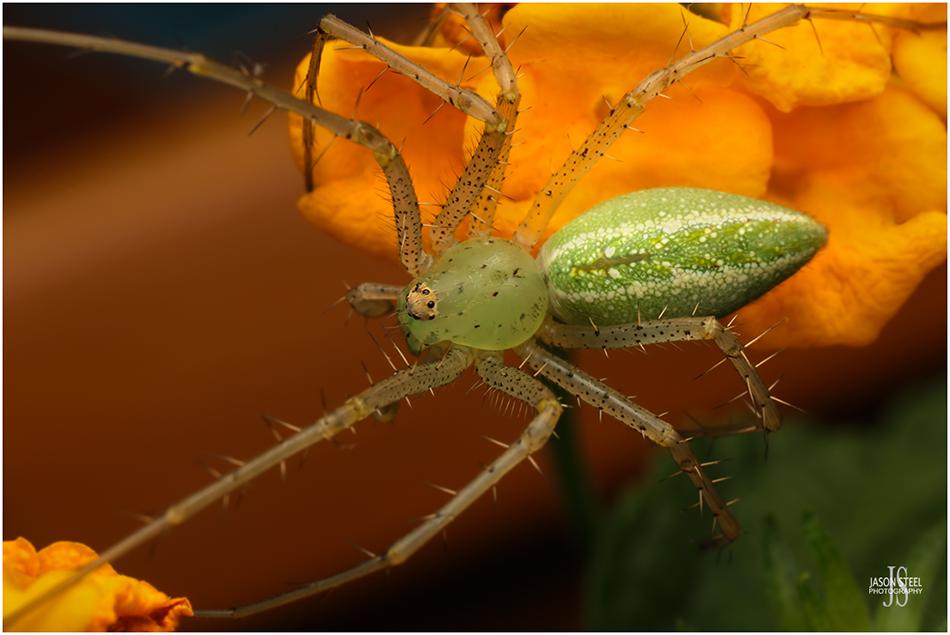
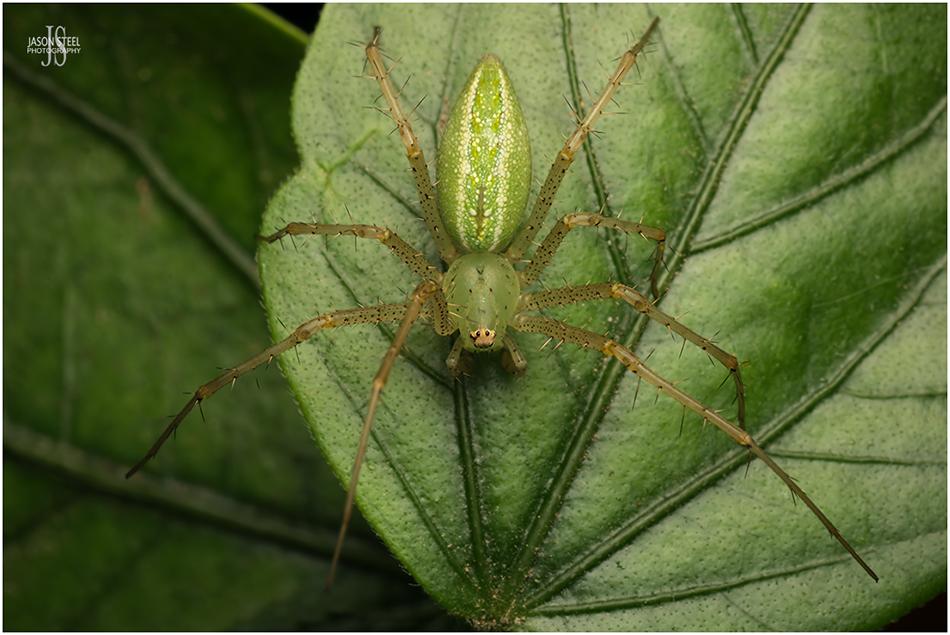
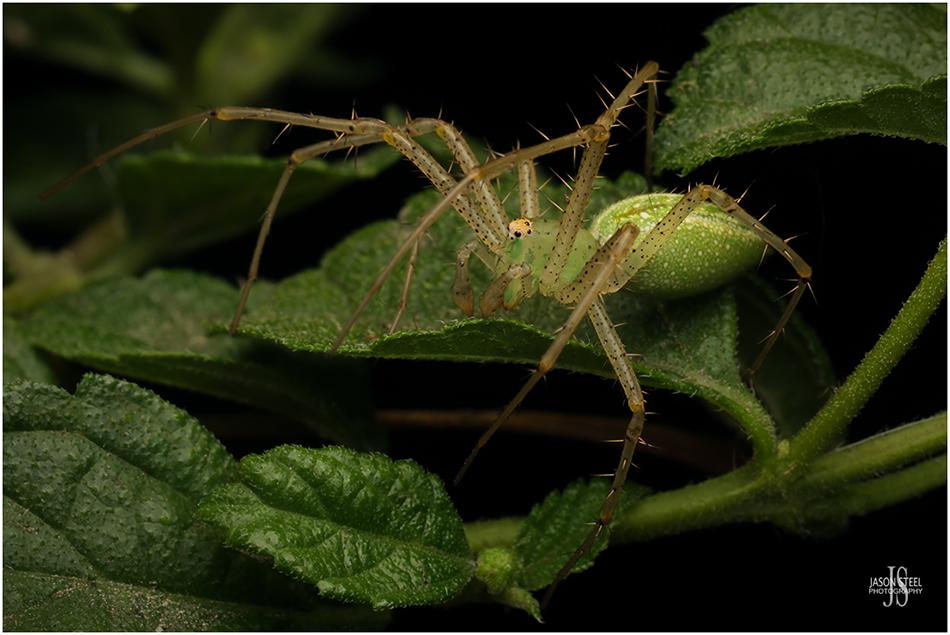
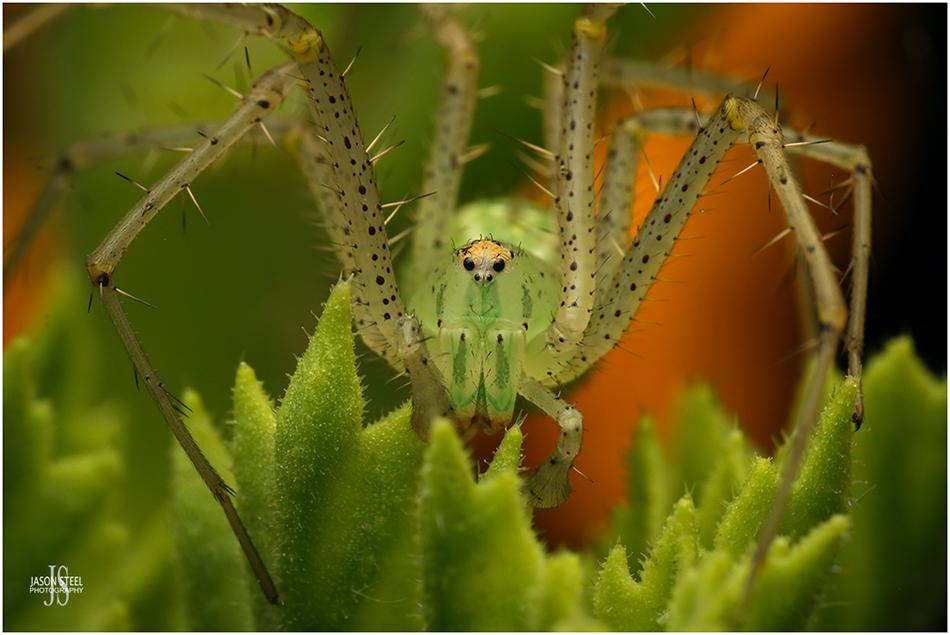
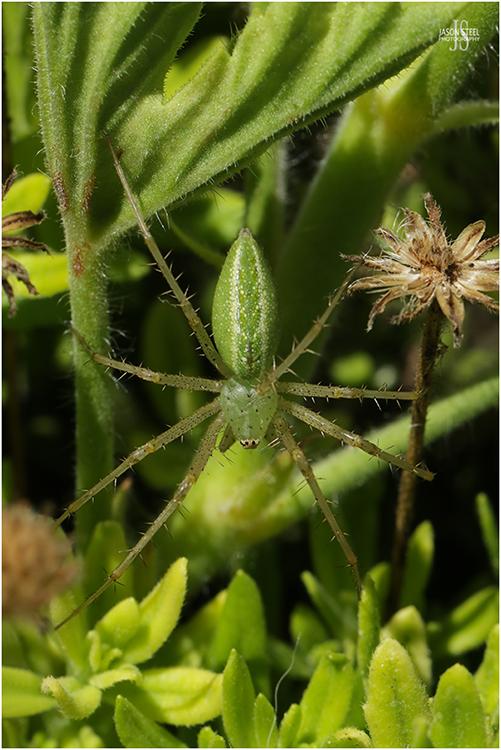
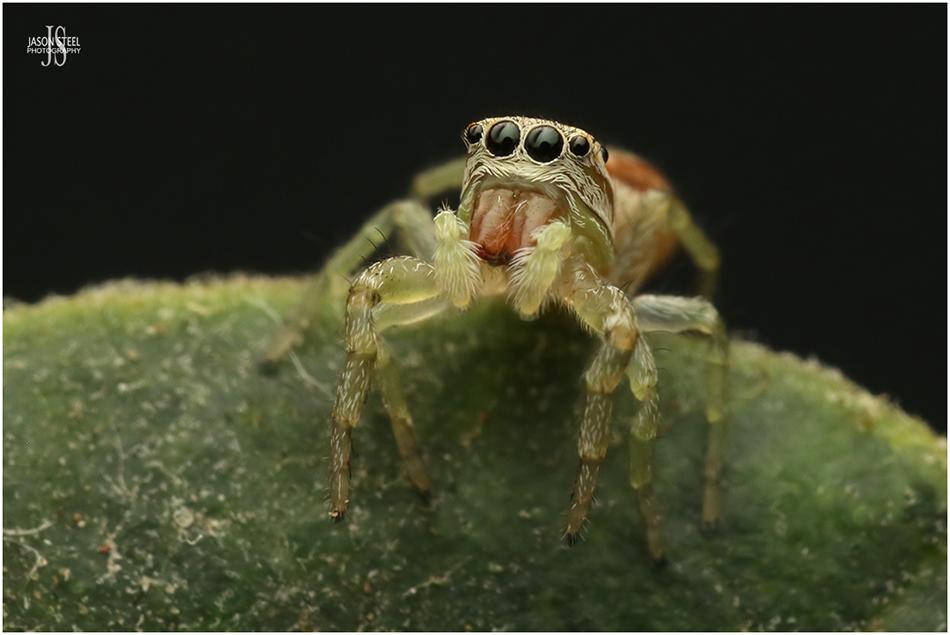
12mm male Green Lynx Spider, found at Mijas, southern Spain. 30th September 2025.

Green Lynx Spider  -  (Peucetia viridis)
The term "Lynx Spider" is the common name given to all spiders of the family Oxyopidae. Rather than building webs Lynx Spiders are both silent stalkers and ambush predators, and rarely make use of webs for catching prey. When prey wanders within range the spider leaps on its prey like a pouncing cat. Lynx Spiders have a distinctive eye-arrangement. Their eight eyes are arranged in a hexagonal pattern within the orange, or red, peaked front of their cephalothorax.

The Green Lynx Spider is beautifully colourful hunting spider. Green Lynx Spiders live their lives hunting on plants, often shrubs with bright green petals and stems, where the spiders have excellent camouflage. The Green Lynx Spider seems to have a preference for Ononis natrix, known as the Yellow Restharrow or Shrubby Rest-harrow, a species of plant in the family Fabaceae. As the summer comes to an end, and many plants take on a more brown colouration, the Green Lynx Spider also usually takes on a more tan colour itself. There are many sources that claim that Green Lynx Spiders, particularly gravid females, have the ability to deliberately change colour to match their surroundings. Adult females typically grow to a body-length of between 13.5-14.5mm in length but gravid females have been known to reach 22mm. The males are more commonly around 12mm. Whilst the eye-sight of Lynx Spiders is pretty good by spider standards they can still only see in sharp detail up to around a distance of about 10-15cm. Lynx Spiders usually tolerate other spiders of the same species so cannibalism is fairly uncommon. The Green Lynx Spider is most active during the daytime.

Lynx Spiders are regarded as harmless to humans and bites are rare. Adult females will defend their egg-sacs though and bites are reported as slightly painful, often accompanied by reddening and minor swelling of the bitten area. Each egg-sac can contain anywhere between 25-600 bright orange eggs, with the average clutch size being around 200. The adult female guards the young spiderlings until they are ready to disperse and fend for themselves.

The Green Lynx Spider, Peucetia viridis, is sometimes referred to as the Spanish Green Lynx Spider, or the African Green Lynx Spider, to avoid confusion with the similar looking Green Lynx Spider, Peucetia viridans, which is found in the USA, Mexico and parts of South America. As well as Spain, the Canary Islands and Greece, Peucetia viridis can also be found in much of Africa and parts of the Middle-East.

LINK 1    LINK 2    LINK 3    LINK 4

12mm male Green Lynx Spider, found at Mijas, southern Spain. 30th September 2025.


12mm male Green Lynx Spider, found at Mijas, southern Spain. 30th September 2025.


12mm male Green Lynx Spider, found at Mijas, southern Spain. 30th September 2025.


12mm male Green Lynx Spider, found at Mijas, southern Spain. 30th September 2025.


12mm male Green Lynx Spider, found at Mijas, southern Spain. 30th September 2025.


12mm male Green Lynx Spider, found at Mijas, southern Spain. 30th September 2025.


12mm male Green Lynx Spider, found at Mijas, southern Spain. 30th September 2025.


12mm male Green Lynx Spider, found at Mijas, southern Spain. 30th September 2025.


12mm male Green Lynx Spider, found at Mijas, southern Spain. 30th September 2025.


12mm male Green Lynx Spider, found at Mijas, southern Spain. 30th September 2025.


12mm male Green Lynx Spider, found at Mijas, southern Spain. 30th September 2025.


12mm male Green Lynx Spider, found at Mijas, southern Spain. 30th September 2025.


12mm male Green Lynx Spider, found at Mijas, southern Spain. 30th September 2025.


12mm male Green Lynx Spider, found at Mijas, southern Spain. 30th September 2025.


12mm male Green Lynx Spider, found at Mijas, southern Spain. 30th September 2025.


12mm male Green Lynx Spider, found at Mijas, southern Spain. 30th September 2025.


12mm male Green Lynx Spider, found at Mijas, southern Spain. 30th September 2025.


12mm male Green Lynx Spider, found at Mijas, southern Spain. 30th September 2025.


12mm male Green Lynx Spider, found at Mijas, southern Spain. 30th September 2025.


12mm male Green Lynx Spider, found at Mijas, southern Spain. 30th September 2025.


12mm male Green Lynx Spider, found at Mijas, southern Spain. 30th September 2025.


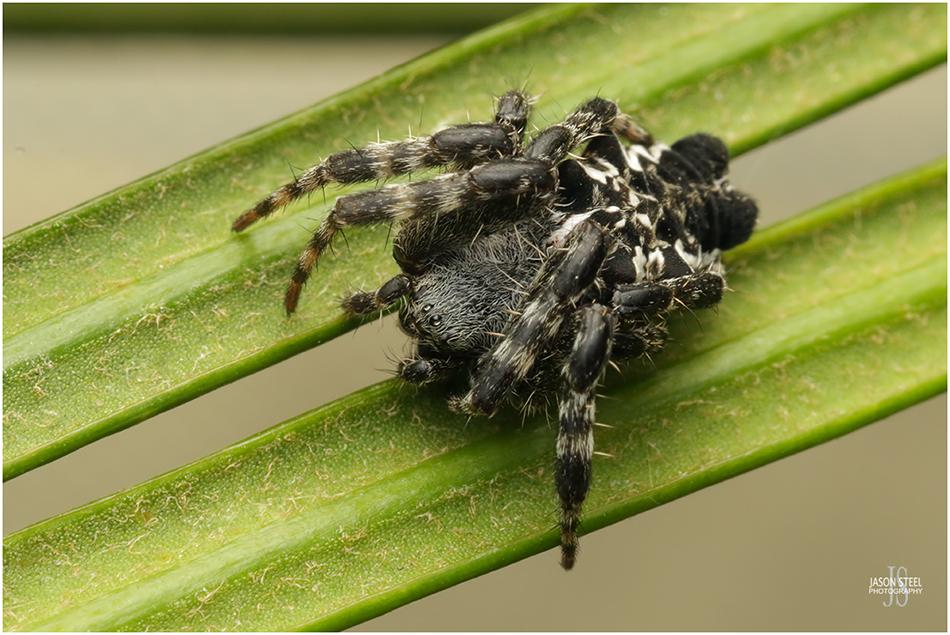
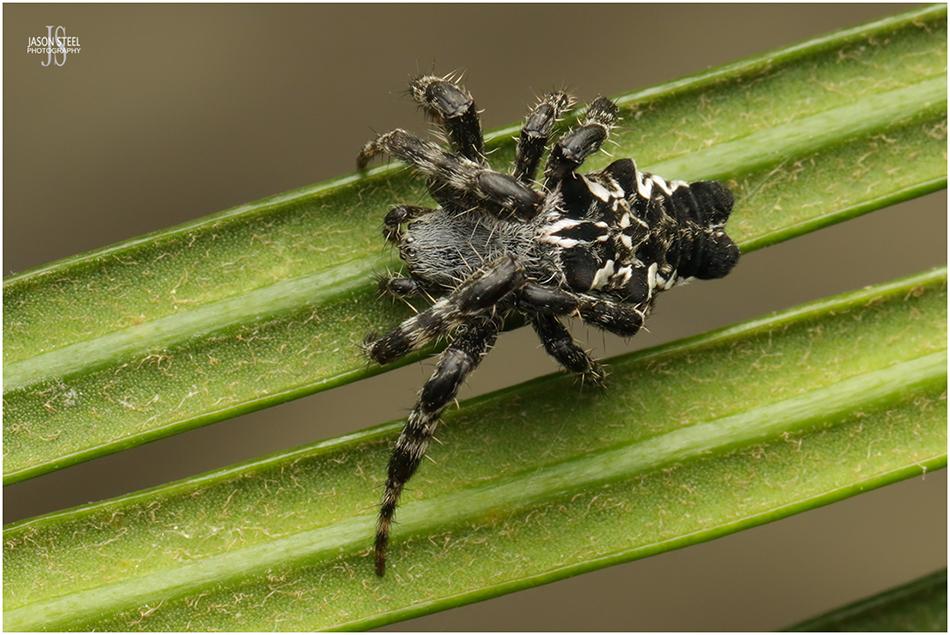
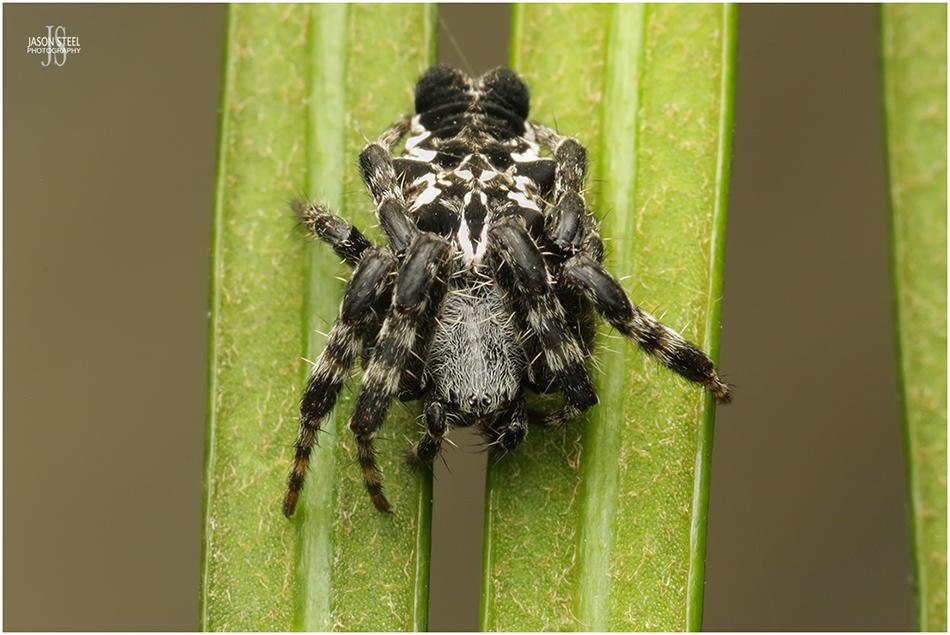
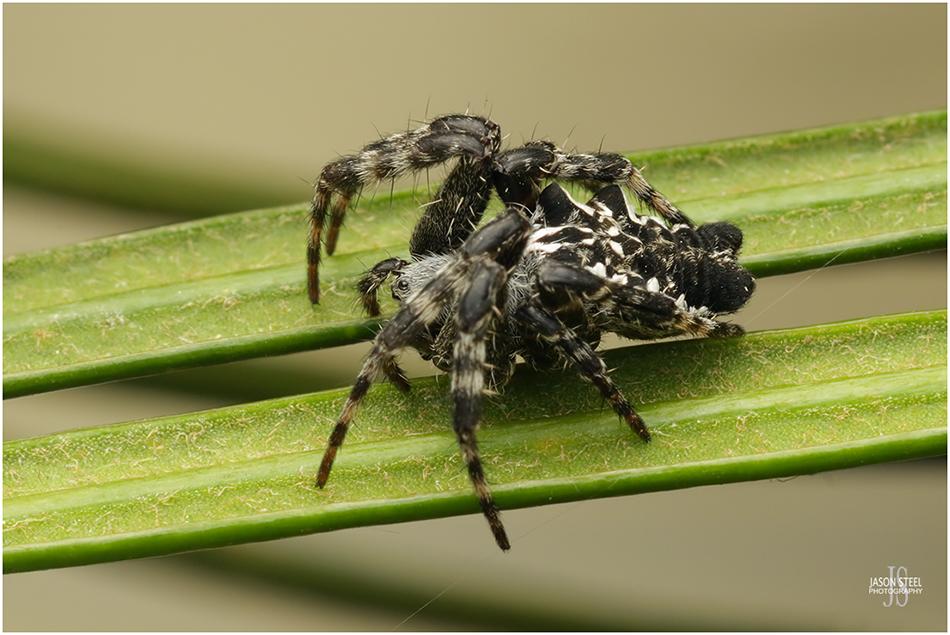
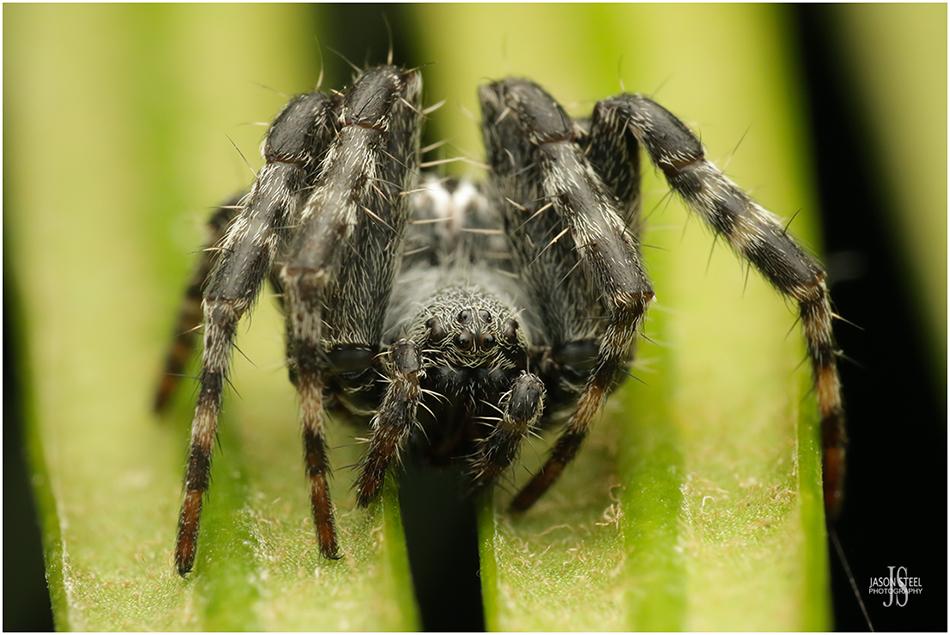
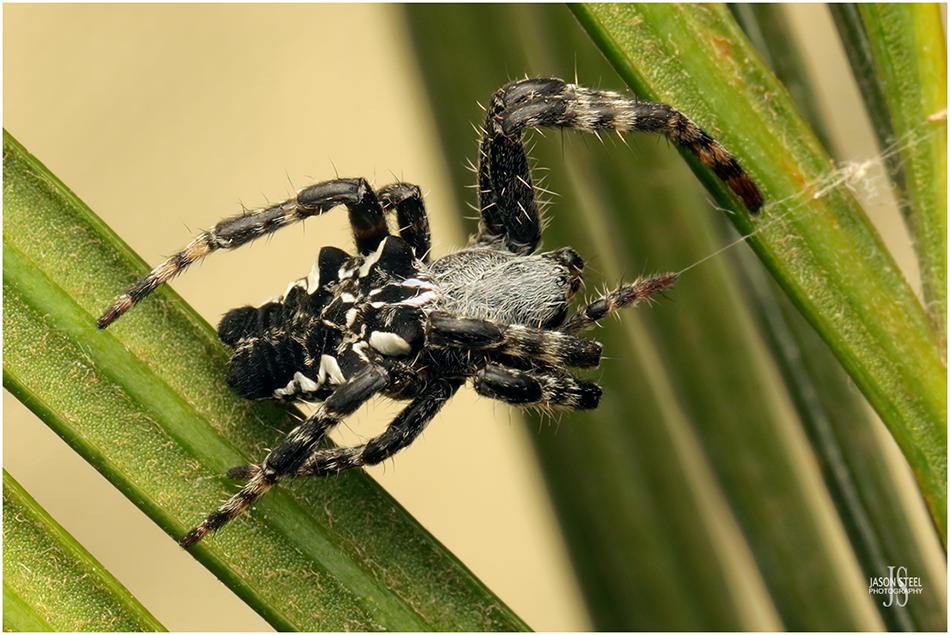
Tropical Tent-web Spider, Cyrtophora citricola, in Fuengirola. 29th September 2025

Tropical Tent-web Spider  -  (Cyrtophora citricola)
Cyrtophora citricola, is commonly known as the Tropical Tent-web Spider, or in Spain Araña orbitela de las chumberas.
This is a very distinctive and nocturnal orb-weaver in the family Araneidae. Unlike other orb-weavers, whose webs consist of beautiful concentric circles, with support lines radiating from the centre, the atypical web of the Tropical Tent-web Spider is a large messy web, that you might easily be mistaken in thinking belonged to a Theridiidae rather than an Araneidae. 

This unusual orb-weaver constructs a horizontal orb-web in vegetation, but then also builds a thick mesh of silken strands in a sheet above the web. Flying prey hits the mesh and is deflected down into the orb-web, where it is quickly caught and wrapped. At night the spiders are nearly always suspended from the underside of the orb-web, where they hang upside down, rather than being on top of the web. Unlike most orb-weavers the Tropical Tent-web Spider is semi-social with other members of its species. They can often be found in colonies, with webs that are joined together. This mass of webbing can cover entire plants or trees. These huge masses of dense webs can be damaging to the host plants on which they are built.

It's not just the webs that are unusual in appearance. The spiders themselves are also rather unusual looking too. The Tropical Tent-web Spider has two large tubercles on either side of its abdomen, and two large posterior tubercles at the rear end of its abdomen too. When at rest these spiders draw in their legs and these tubercles can help provide camouflage for the spider, sometimes giving it the appearance of being a dried leaf caught in the web. the spider Females typically reach a body-length of around 10mm. The males are considerably smaller and only reach about 3mm in length. The Tropical Tent-web Spider can be found in various shades of brown or in this striking black and white colouration. Sexual cannibalism is common within this species and most males are eaten after successful copulation. Cyrtophora citricola has the ability to change the colour of its abdomen to blend in with its environment. This species can be found in southern Europe, Africa, Asia, Australia, South America and the USA.

There is a small Theridiid species that often lives at the edge of the webs of Cyrtophora citricola, or webs of Argiope species. This Mediterranean spider is Argyrodes argyrodes. The Argyrodes genus are often known as Dewdrop Spiders, or Robber Spiders, and they are largely kleptoparasitic, feeding on the prey caught in the webs of larger orb-weaver spiders. The larger spiders sometimes choose to tolerate the intrusion of Argyrodes spiders into their webs as they will often feed on smaller catches in the web, that the larger spiders have ignored. Cyrtophora citricola grows to around 4-6mm in length. They have a tall and pointed abdomen, which is often metallic silver in colour, with black markings. The abdomen is sometimes red or orange in colour.

LINK 1    LINK 2    LINK 3

Tropical Tent-web Spider, Cyrtophora citricola, in Fuengirola. 29th September 2025


Tropical Tent-web Spider, Cyrtophora citricola, in Fuengirola. 29th September 2025


Tropical Tent-web Spider, Cyrtophora citricola, in Fuengirola. 29th September 2025


Tropical Tent-web Spider, Cyrtophora citricola, in Fuengirola. 29th September 2025


Tropical Tent-web Spider, Cyrtophora citricola, in Fuengirola. 29th September 2025


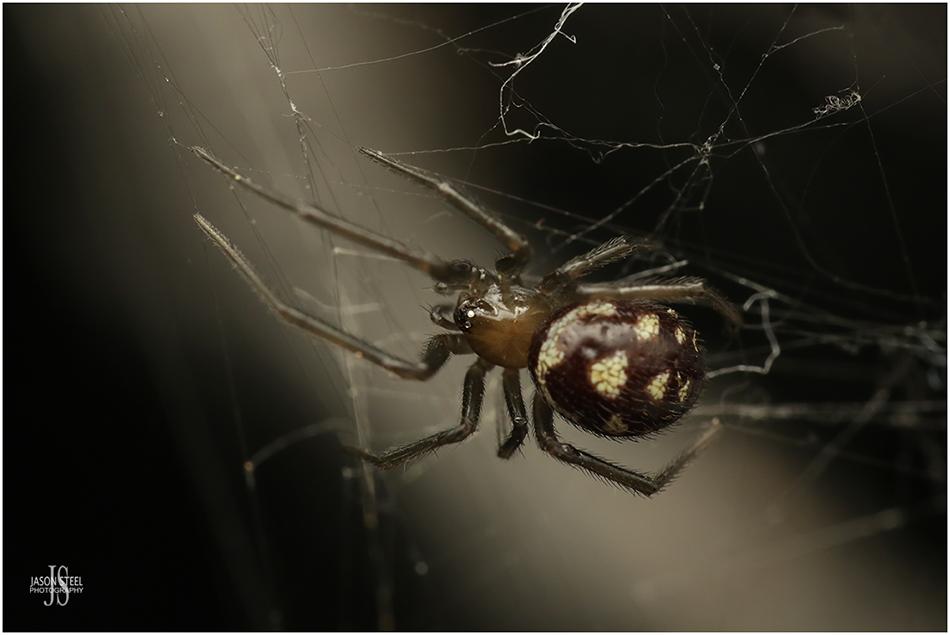
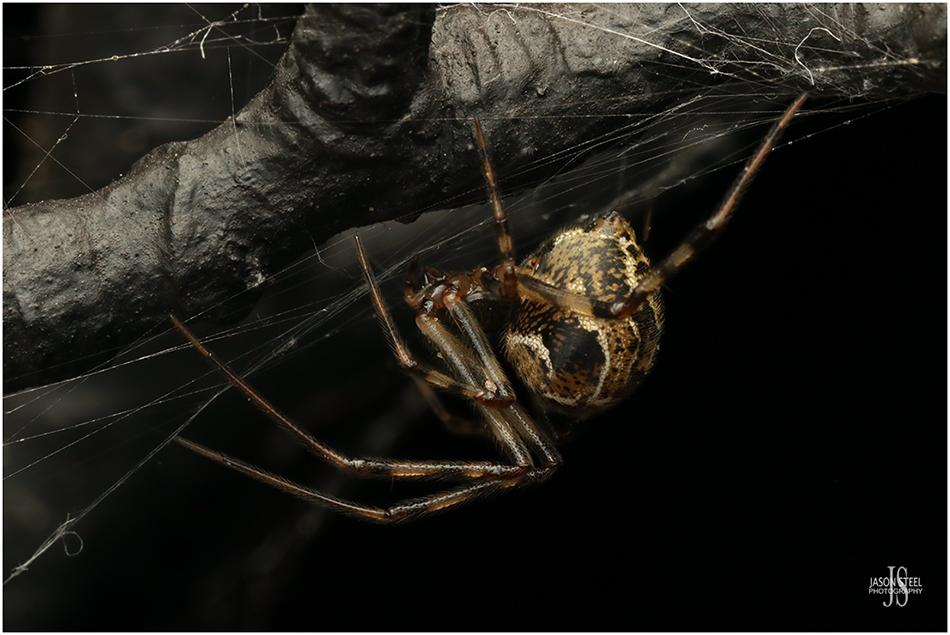
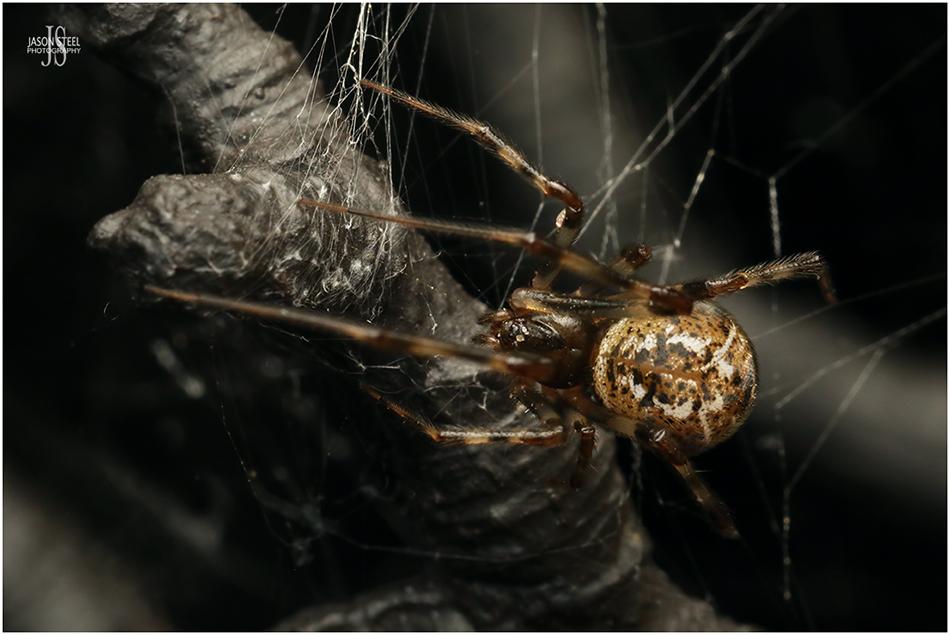
8mm Parasteatoda tepidariorum. One of several found in a butterfly house in Benalmádena. 2nd October 2025.

American Common House Spider  -  Parasteatoda tepidariorum (previously known as Theridion tepidariorum and Achaearanea tepidariorum)

In the USA  the cobweb-weaving Parasteatoda tepidariorum is one of the most common species of spider to be found around human habitation, and is referred to as the Common House Spider. It is often mistaken in the USA for the more venomous Brown Widow, which is established in parts of the USA. In the UK this introduced species has been recorded since 1898 and is usually found around greenhouses and heated buildings, but it is also occasionally found outdoors in warmer months as well, especially on Yew Trees in churchyards. Female specimens typically grow to around 5-7mm in body-length and the males reach 3-4mm. Parasteatoda simulans is identical to look at without very close examination of the reproductive organs. Parasteatoda simulans is smaller though, with adults typically reaching 2-5mm. Whilst the introduced Parasteatoda tepidariorum is usually found in heated buildings Parasteatoda simulans is always found outdoors.
LINK 1    LINK 2    LINK 3


8mm Parasteatoda tepidariorum. One of several found in a butterfly house in Benalmádena. 2nd October 2025.


5mm Parasteatoda tepidariorum. One of several found in a butterfly house in Benalmádena. 2nd October 2025.


5mm Parasteatoda tepidariorum. One of several found in a butterfly house in Benalmádena. 2nd October 2025.


5mm Parasteatoda tepidariorum. One of several found in a butterfly house in Benalmádena. 2nd October 2025.


3mm Parasteatoda tepidariorum. One of several found in a butterfly house in Benalmádena. 2nd October 2025.


7mm female Cupboard Spider / False Widow (Steatoda grossa). Found under a plank of wood in Fuengirola. 1st October 2025.

False Widow Spider  /  Cupboard Spider  (Steatoda grossa)

Steatoda grossa is another of the common species of False Widow Spider. Steatoda grossa prefers a slightly different habitat to the Noble False Widow Spider. Although both species are generally synanthropic, being found around homes and buildings, Steatoda grossa prefer to reside in dark, undisturbed places, such as sheds and outhouses, under manhole covers, and as the common name suggests, at the the very back of dark, cluttered and undisturbed cupboards in buildings. The messy tangle-webs are usually built close to ground level.

Steatoda grossa have adapted well to the dry conditions of our homes, and can last for months without food or water if necessary. The indoor conditions, within the cupboards and sheds, where Steatoda grossa are frequently found, are usually very dry habitats. However Steatoda grossa can also thrive in very damp environments, like sewers, and under manhole covers, too. Because of the dark habitats that Steatoda grossa favour their main food source is often woodlice, that share these habitats.

Female Steatoda grossa have a maximum body-length of around 6.5 - 10mm but the males tend to be slightly smaller and slimmer at around 4 - 7mm. Females can live for 2 - 6 years in captivity, but they often typically only live for around 18 months in the wild. Males usually die after mating. The most distinguishing feature of Steatoda grossa are the two or three triangular or chevron markings on the top of the abdomen, which are not always present on larger, older female specimens. Unlike the abdominal markings of Steatoda nobilis, the foremost light chevron marking rarely touches the light abdominal band at the front of the abdomen. This cream coloured abdominal band, found on both Steatoda nobilis and Steatoda grossa, extends further along and further down the abdomen of Steatoda nobilis than Steatoda grossa. On Steatoda grossa specimens, where the abdominal markings have faded, this cream band usually also disappears. However, it's more common for faded specimens of Steatoda nobilis to still exhibit this cream band to some extent when the rest of the abdominal markings have faded or disappeared. The legs of Steatoda grossa, particularly the front pair of femurs, tend to be slightly thinner on Steatoda grossa when compared to those of Steatoda nobilis. The location of the web is helpful in determining which of the two species a False Widow might be. Steatoda grossa build their webs in dark, undisturbed locations. Steatoda nobilis may also sometimes build their webs in dark places, although more often the web is built where it is at least partially exposed to light, but the spider itself usually remains hidden away until it starts getting dark.
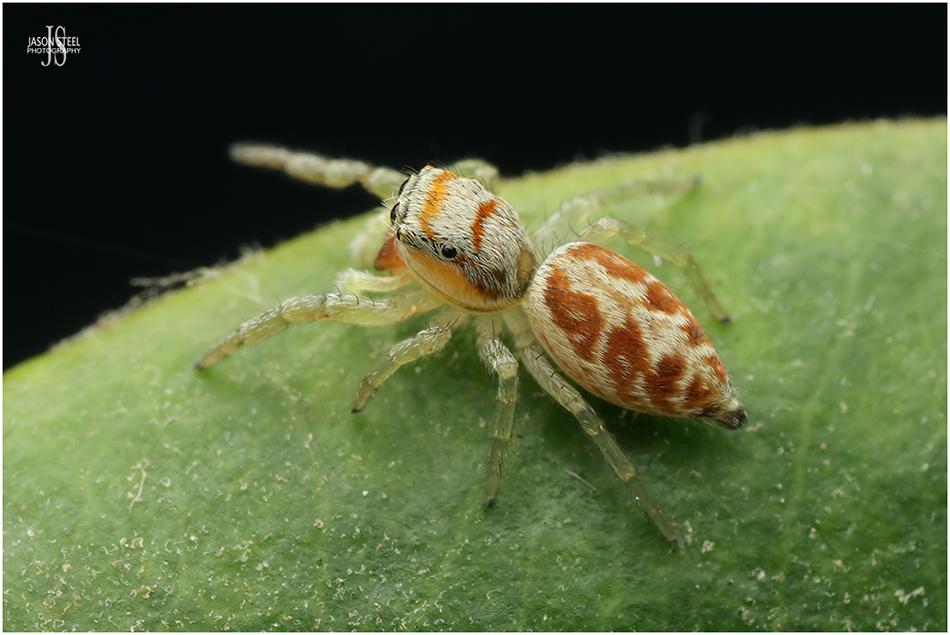
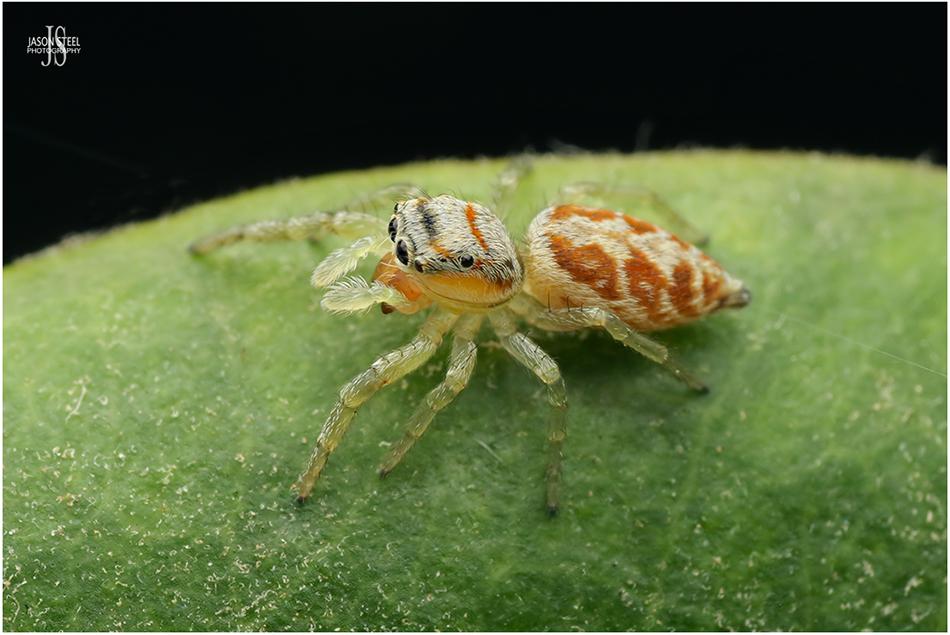
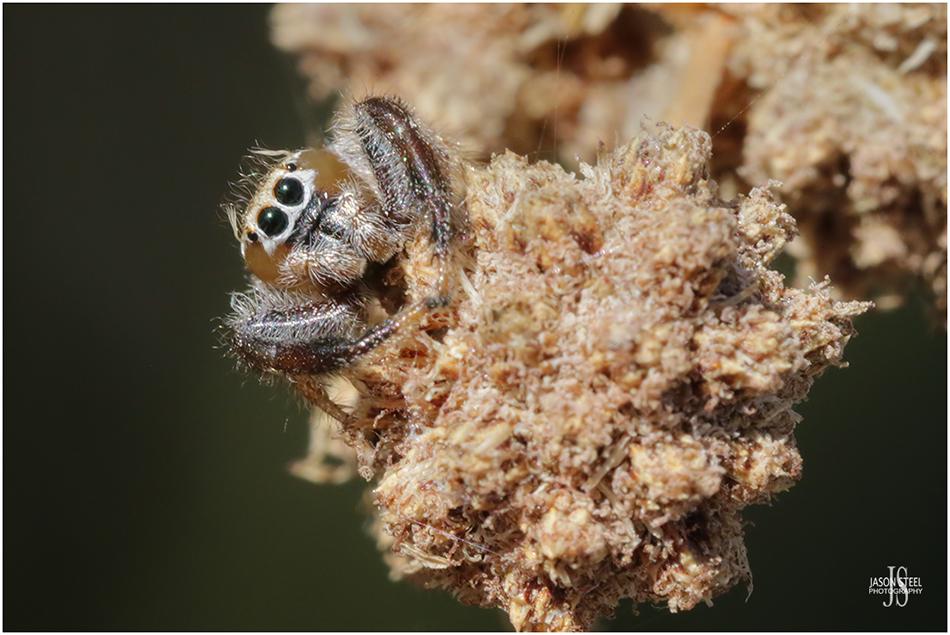
3.5mm juvenile Striking Jumping Spider, Icius cf congener, found in a bush outside our hotel in Fuengirola. 30th September 2025.

Striking Jumping Spider  -  (Icius congener)
Memebers of the Icius genus are known as the Striking Jumping Spiders. There are a few species from this genus that can be found in Spain. The most common of these are Icius congener and Icius subinermis. Whilst these two species look very similar they can often be identified to species level from their habitat. Icius congener can usually be found in hot, dry areas, usually on or in between vegetation, whilst Icius subinermis prefers damp habitats, such as riverbanks. 
Icius congener is found around the western Mediterranean region. Female Icius congener typically grow to a body-length of around 5.3mm, but can range from 5-6.5mm. The smaller males usually reach around 3.5mm. The other Icius species which are found in the Mediterranean region include Icius crassipes and Icius hamatus.

LINK 1    LINK 2    LINK 3    LINK 4

3.5mm juvenile Striking Jumping Spider, Icius cf congener, found in a bush outside our hotel in Fuengirola. 30th September 2025.


3.5mm juvenile Striking Jumping Spider, Icius cf congener, found in a bush outside our hotel in Fuengirola. 30th September 2025.


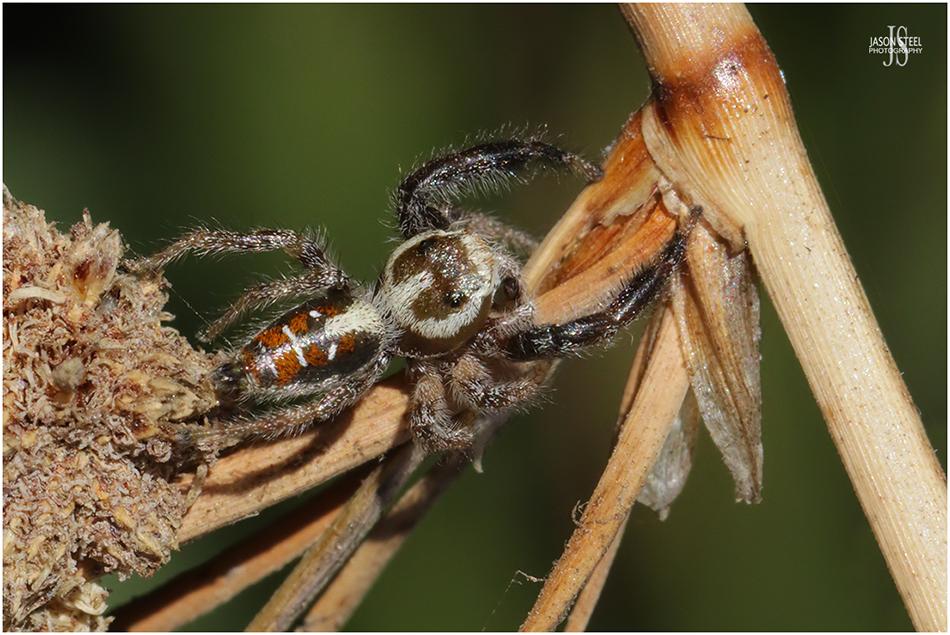
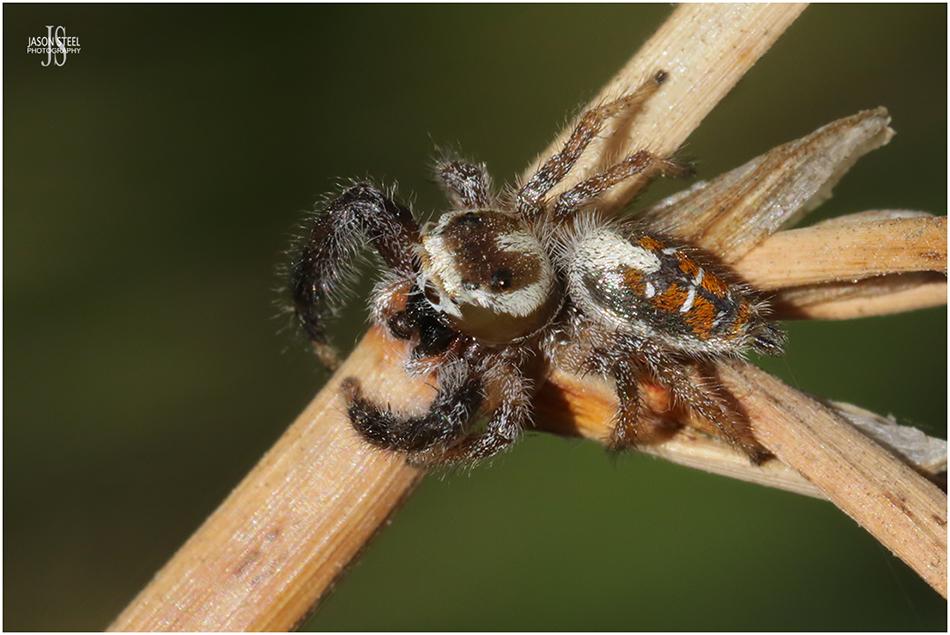
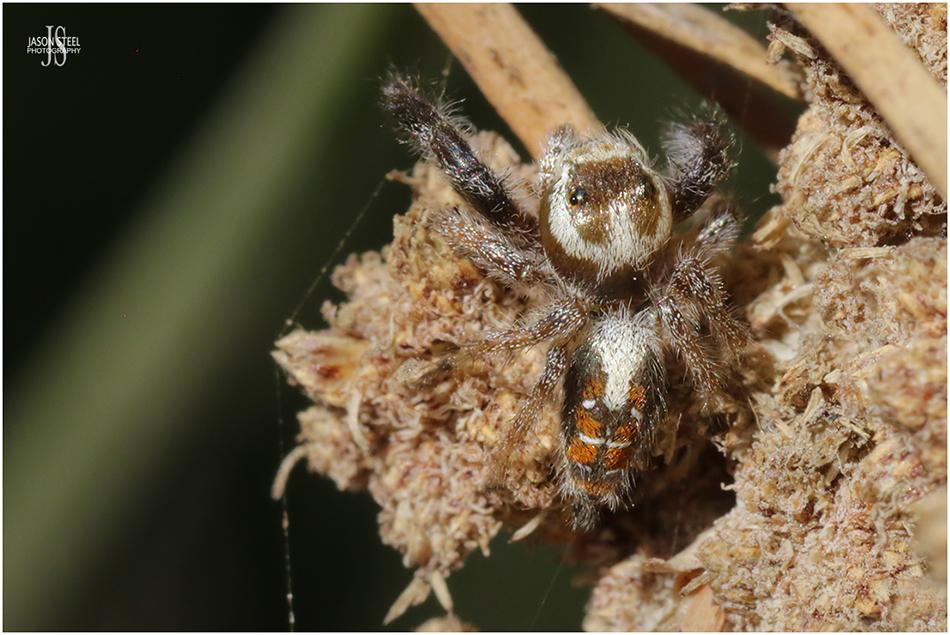
8mm adult male Thyene imperialis on vegetation at Castillo Sohail, in Fuengirola. 1st October 2025.

Imperial Thyene Jumping Spider  -  (Thyene imperialis)
The Imperial Thyene Jumping Spider is a medium sized species that typically reaches about 9mm in length for females, and up to 8mm in length for males. This common and widespread species can be found in most habitats, from shrubs and plants to dry, sandy or rocky areas. Thyene imperialis is regularly found in cultivated fields, rather than undisturbed areas, and has been found amongst cereal crops and in olive groves. Spain also has another Thyene species, Thyene phragmitigrada.

LINK 1    LINK 2    LINK 3    LINK 4

8mm adult male Thyene imperialis on vegetation at Castillo Sohail, in Fuengirola. 1st October 2025.


8mm adult male Thyene imperialis on vegetation at Castillo Sohail, in Fuengirola. 1st October 2025.


8mm adult male Thyene imperialis on vegetation at Castillo Sohail, in Fuengirola. 1st October 2025.


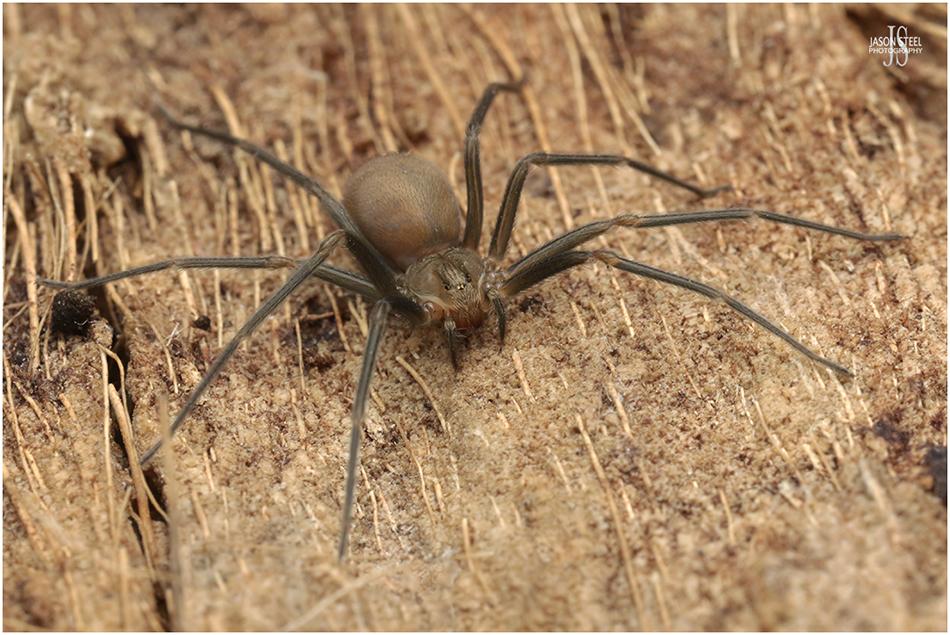
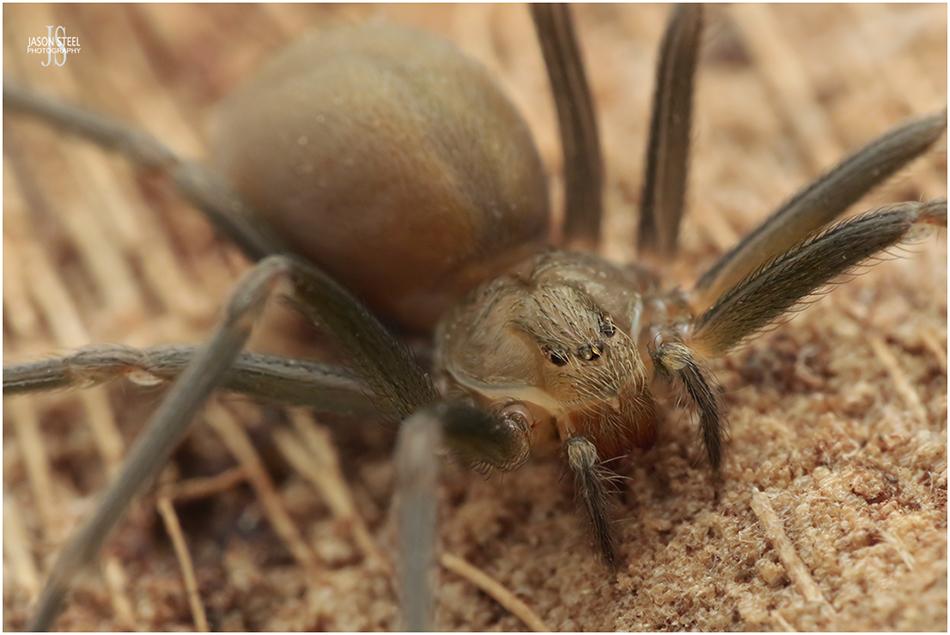
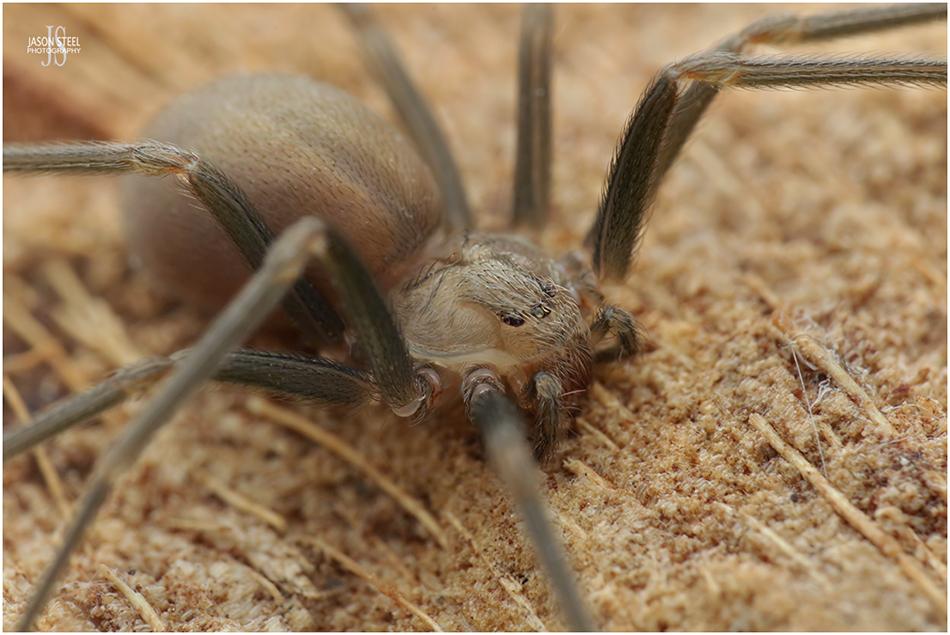
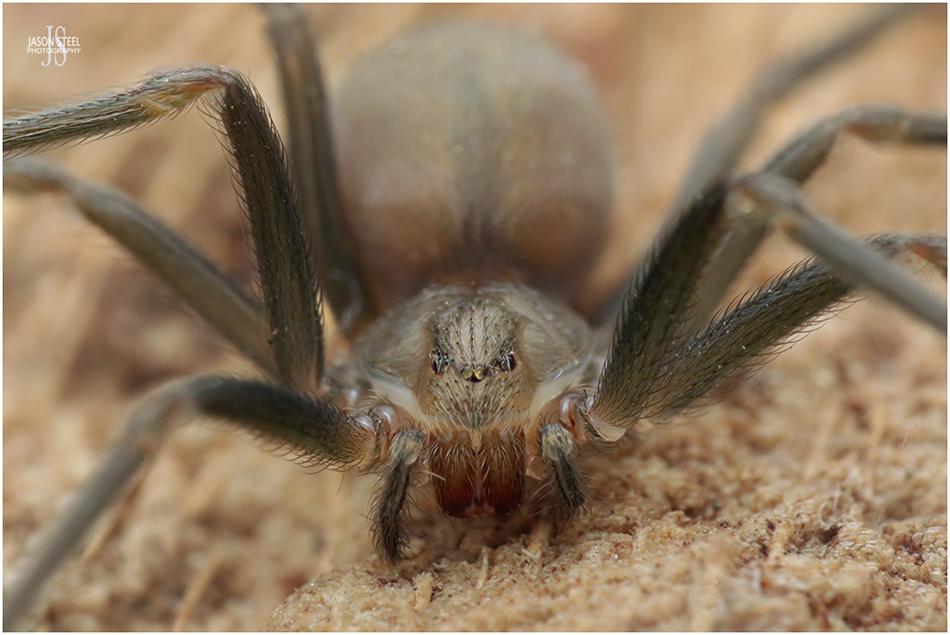
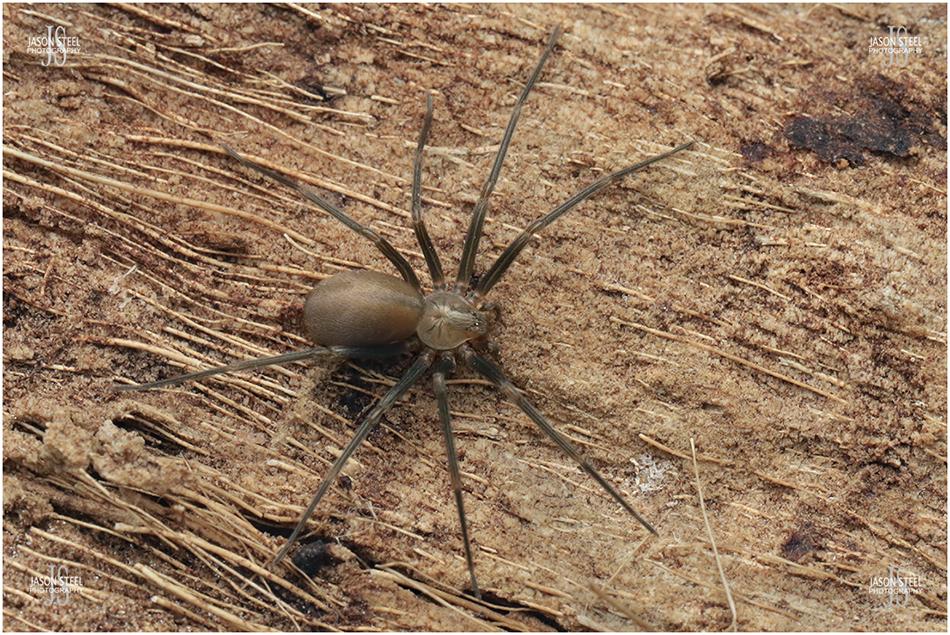
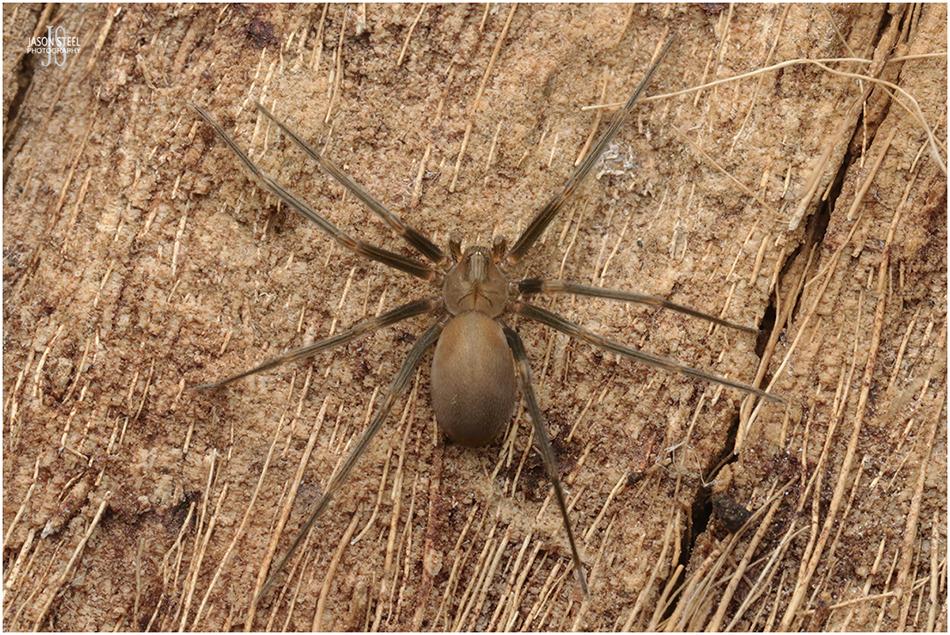
10mm Mediterranean Recluse, found under a dead palm tree, in Fuengirola. 2nd October 2025.

Mediterranean Recluse Spider  /  Violin Spider  (Loxosceles rufescens)
The Mediterranean Recluse is a small and inconspicuous spider that's often found under rocks. Males have a body-length of up to 7-8mm and females usually 7-10mm, but sometimes up to 12mm. The bite of this spider can on occasion be dangerous and there have on very rare occasions been human fatalities recorded. The Loxosceles genus contains 134 species and spiders of this genus are the only confirmed spiders with necrotic venom. 

The Mediterranean Recluse Spider is originally, as the name suggests, from the Mediterranean, however it can now be found across much of Europe, Asia and America. This spider is sometimes referred to as the Violin Spider, or Fiddleback Spider, due to the brown violin-shaped markings that are usually, but not always, present on the carapace.
This species builds a small loose web hidden under rocks or logs, under loose low level tree bark or in wall crevices or basements of heated old houses, where the spider remains hidden away during the daytime. At night these nocturnal wandering hunters may leave their hideaway and hunt for other invertebrates found close to their web.

Identifying a Recluse Spider
There is often, but not always, a slightly darker violin-shaped marking present on the carapace. The legs of the Recluse Spider are uniform in colour with fine hairs, but no leg spines, and the L2 legs are slightly longer than the other legs. The legs have no stripes or banding. The abdomen is uniform in colour, often with a slightly darker cardiac mark, which can sometimes extend as a thin central line that usually runs partially, or occasionally almost completely, from the front to the rear of the abdomen. The abdominal central line is most often visible on the stretched abdomen of a gravid or well fed specimen, and where visible the central line usually fades and tapers towards the rear of the abdomen. The typical violin shape on the prosoma is usually darker in colour than the prosoma, and is made up of seven rows of hairs. The Recluse Spider has six eyes. These eyes are situated in a single row, in three pairs, and positioned in such a way that they can resemble two eyes and a nose. The eyes are positioned in a similar format to those found on Spitting Spiders (Scytodes sp.). This eye-arrangement is one of the most reliable features when trying to identify a Recluse Spider.

The Mediterranean Recluse Spider is identical in appearance to the notorious Brown Recluse Spider (Loxosceles reclusa) and they can only be separated by very close examination of the reproductive organs, which may sometimes require dissection. The venom of both species is very similar. In Spain the Mediterranean Recluse Spider can be found across the country, and this can include coastal regions. I have personally found several Loxosceles rufescens within 50m of the sea. In the USA  Loxosceles reclusa is never found near the coast.
There are other slightly similar looking, but harmless, species of spider in Spain that can sometimes be mistaken for Recluse Spiders.  The Northern Yellow Sac SpiderCheiracanthium mildei is one common spider that's slightly similar in appearance to the Mediterranean Recluse Spider. The Northern Yellow Sac Spider often has a slightly darker median line on the carapace but does not have the violin-shaped mark usually found on the carapace of Recluse Spiders. The two species also have quite different eye arrangements.

LINK 1    LINK 2    LINK 3    LINK 4    LINK 5    LINK 6    LINK 7    LINK 8

Venomous Bite
In 90% of cases bites to humans require little more than basic first aid though: rest, ice, compression and elevation, for the wound to heal completely. Bites are initially trivial and relatively painless but they can progress to local pain, erythema, discolouration, blistering, ulceration and sometimes necrosis and even acute renal failure. Typically a red itchy rash is visible within 24-48 hours after the bite. In less than 10% of bites classic "bullseye" lesions can then start to occur at the site of the bite, becoming necrotic after 7-14 days and leaving a depressed ulcer. These lesions may take many months to heal and can leave permanent scars to the body tissue. Thankfully the Mediterranean Recluse Spider is not an aggressive species and is usually very reluctant to bite humans, so bites are very rare. In about 1% of cases a systemic reaction can occur, following a bite to humans, which can prove dangerous without medical treatment.

It needs to be stressed though that the Mediterranean Recluse is a very shy species, that not only avoids confrontation with humans, but is also very reluctant to bite even when provoked to do so. In January 2022 results were published of ongoing studies on the Mediterranean Recluse, at the University of South Florida Research Lab 108, by Lou Coticchio. These studies revealed the following results when Mediterranean Recluse specimens were encouraged to bite humans by provocation:

Poking the face: 1.5%

Grabbing the legs: 2.5%
Full-body press while prone (right-side up): 4%
Squeezing of the sides: 22.5%
Full-body press while supine (upside down): 36%
Total bite percentage of all threats & all bites together: 7.4%
These results of defensive bites were lower for the Mediterranean Recluse than for any other species of spider it was compared to during the tests.   LINK
Incredible videos from these studies can be seen here and here, where Mediterranean Recluse spiders refuse to bite a human despite extreme provocation.

There are several antivenins produced to combat the effects of this spider including Aracmyn, Suero Antiloxoscelico, Soro Antiarachidico. However these antivenins are not generally available in Europe or the USA and are only available in Mexico and South American countries, such as Brazil, where Loxosceles spiders, and bites to humans, are more common.


The most dangerous of the Recluse Spiders is the Chilean Recluse Spider, also known as the South American Violin Spider, Loxosceles laeta. The Chilean Recluse Spider is found in several South American Countries and its bite is so dangerous that human fatalities in Peru could be as high as 19% of bite victims over 13 years old and 50% of children under that age.  LINK.   After an image of a Chilean Recluse Spider was posted on Facebook one resident of Chile replied claiming that this species can be found in every home there. Where they are found in homes this spider is killed by the people of Chile.  LINK

Travis McEnery put together an excellent video on the Brown Recluse. - LINK
There were many great facts and some very interesting information in Travis's video. There was a house in Kanas, in the USA, that was overrun with Brown Recluse Spiders. In a six month period, using both sticky traps and manual capturing, a huge 2055 Brown Recluse spiders were captured from the house. The family that owned the house had lived there for 6 years and not a single one of them had ever been bitten by one of these spiders, despite how incredibly numerous they were. (see 25:24 on video).


10mm Mediterranean Recluse, found under a dead palm tree, in Fuengirola. 2nd October 2025.


10mm Mediterranean Recluse, found under a dead palm tree, in Fuengirola. 2nd October 2025.


10mm Mediterranean Recluse, found under a dead palm tree, in Fuengirola. 2nd October 2025.


10mm Mediterranean Recluse, found under a dead palm tree, in Fuengirola. 2nd October 2025.


10mm Mediterranean Recluse, found under a dead palm tree, in Fuengirola. 2nd October 2025.