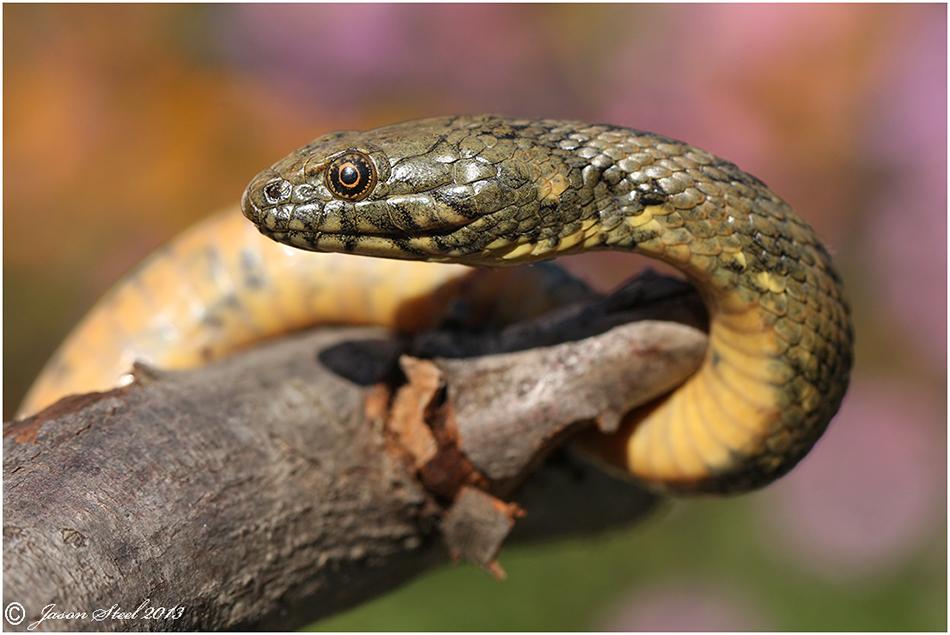
60cm Viperine Water Snake. By a shallow, freshwater stream in Calahonda, Spain. May 2013

Viperine Water Snake  -  (Natrix maura)

Despite it's name the Viperine Water Snake is not a venomous viper. It is a harmless water snake found in or near streams, rivers and lakes. It is common across much of Europe and can also be found in North Africa and Tunisia. The Viperine Water Snake is often mistaken for a viper due to the patterning along its back and its threatening displays of defensive behaviour. It is not uncommon for this snake to flatten its head, hiss loudly and strike at people who it sees as a possible threat if cornered. However these strikes are usually done with a closed mouth and are a complete bluff. It is rare for this snake to actually bite a human even when handled.
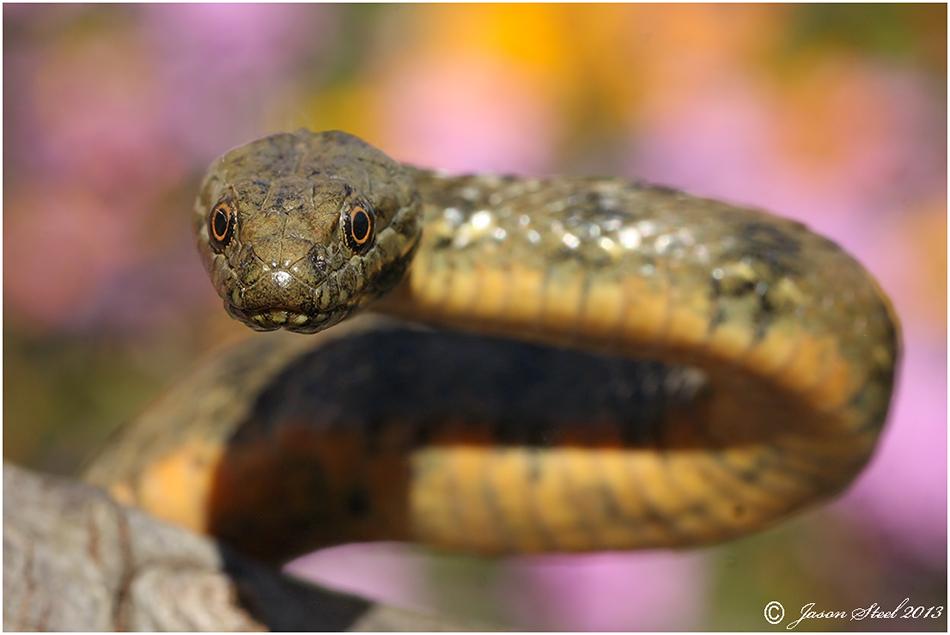


60cm Viperine Water Snake. By a shallow, freshwater stream in Calahonda, Spain. May 2013

This is a fairly small snake usually growing no bigger than around 3ft in total length with 60cm being the average size. These snakes can be found in shallow or deeper water and can even be found in brackish water. This snake pictured above was found in a very shallow stream just 20 metres before in joined the sea.
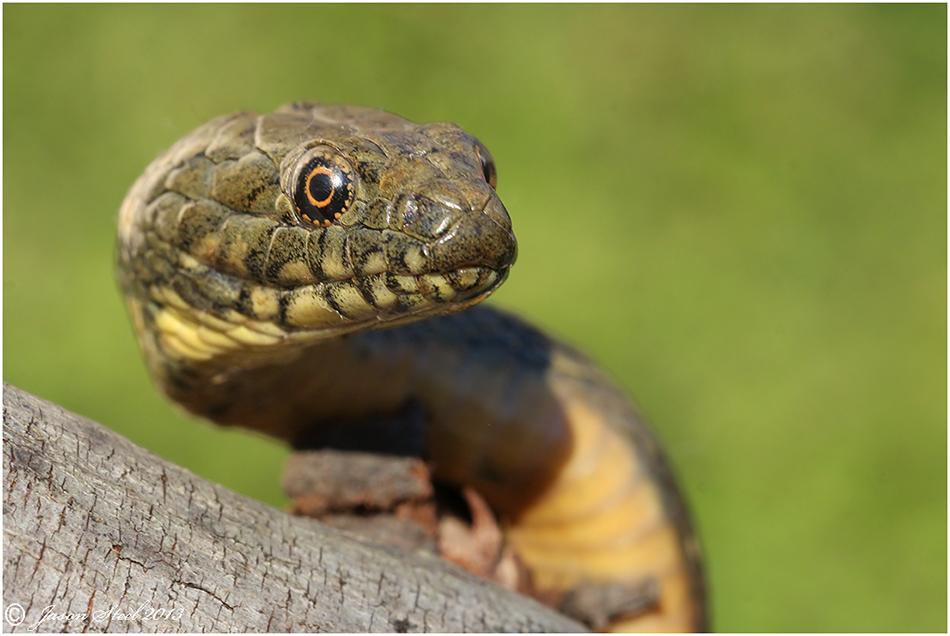


60cm Viperine Water Snake. By a shallow, freshwater stream in Calahonda, Spain. May 2013

These snakes behave in many ways just like Grass Snakes. The Viperine Water Snake will often emit a foul smelling liquid from its anal glands when handled to deter any would be predators. They sometimes use communial egg-laying sites which can also be shared with Grass Snakes.
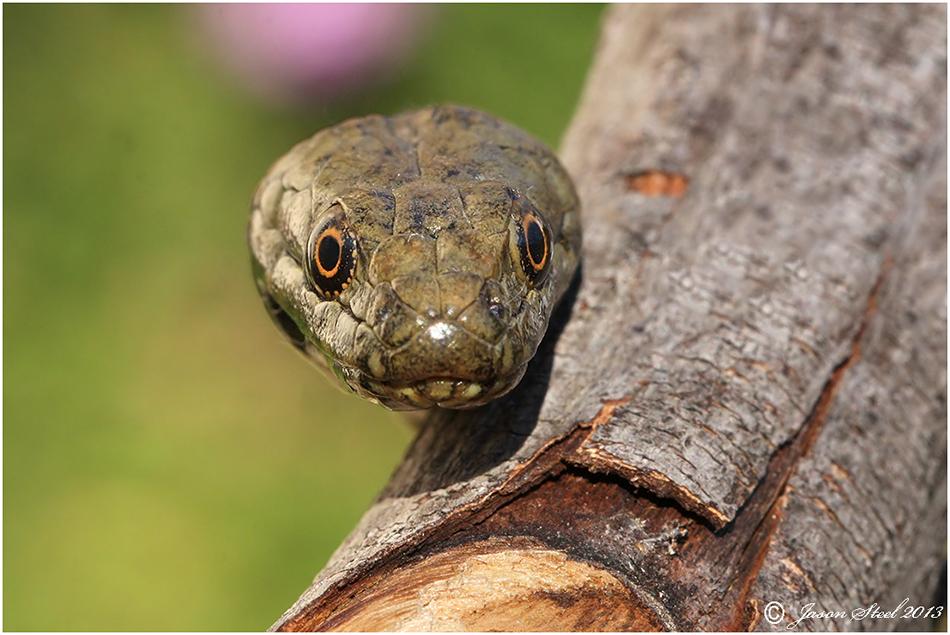


60cm Viperine Water Snake. By a shallow, freshwater stream in Calahonda, Spain. May 2013

As with the Grass Snake, the Viperine Water Snake will also often try to evade capture by heading straight for water and will usually swim straight to the bottom of the lake or river and hide under plants or rocks.
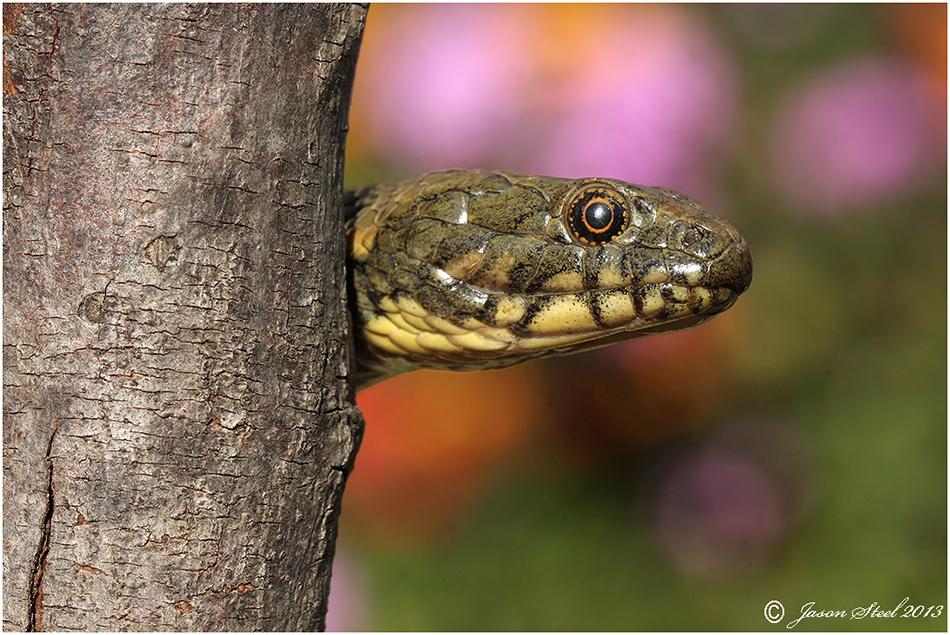


60cm Viperine Water Snake. By a shallow, freshwater stream in Calahonda, Spain. May 2013
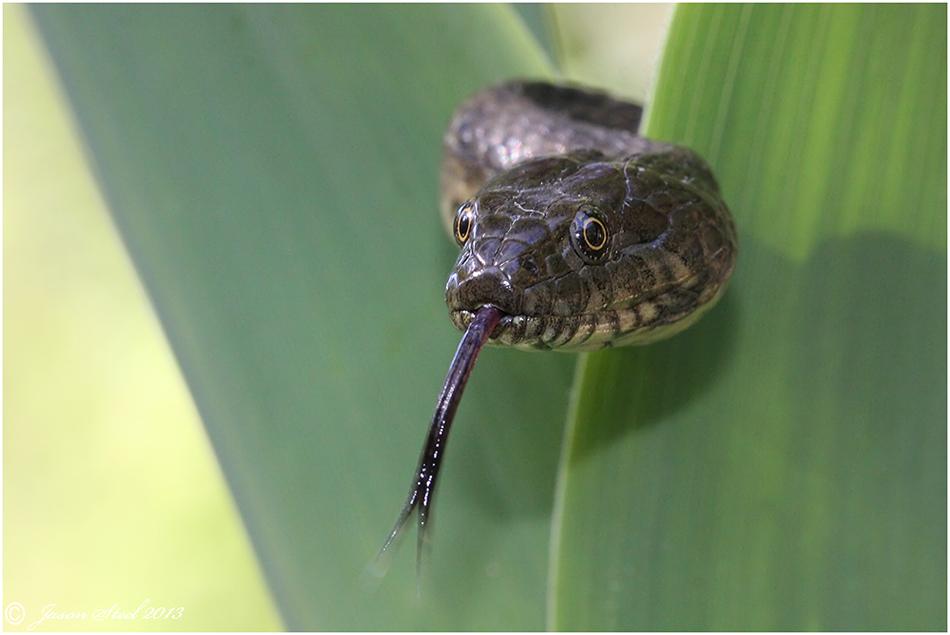


Adult female Viperine Water Snake. By a shallow, freshwater stream in Calahonda, Spain. May 2013
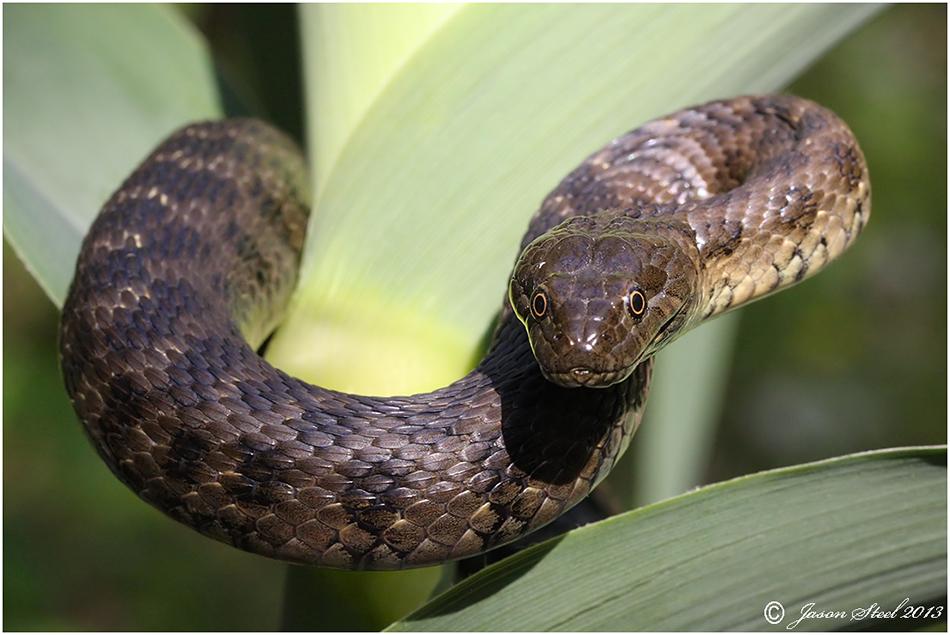


Adult female Viperine Water Snake. By a shallow, freshwater stream in Calahonda, Spain. May 2013
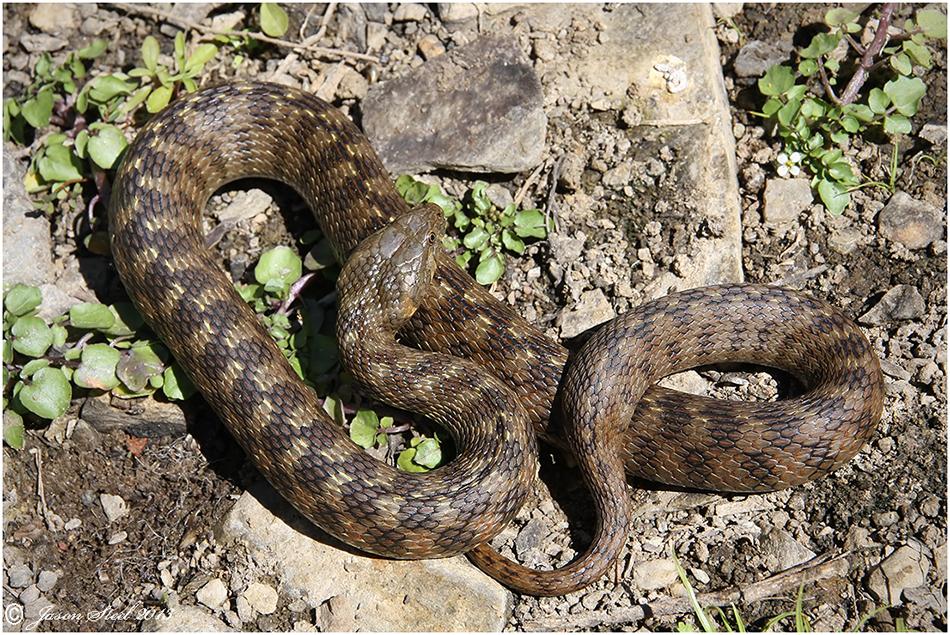


Adult female Viperine Water Snake. By a shallow, freshwater stream in Calahonda, Spain. May 2013

As with many snakes the female is larger and more stocky in build than the male. The female pictured above was around 76cm in total length.
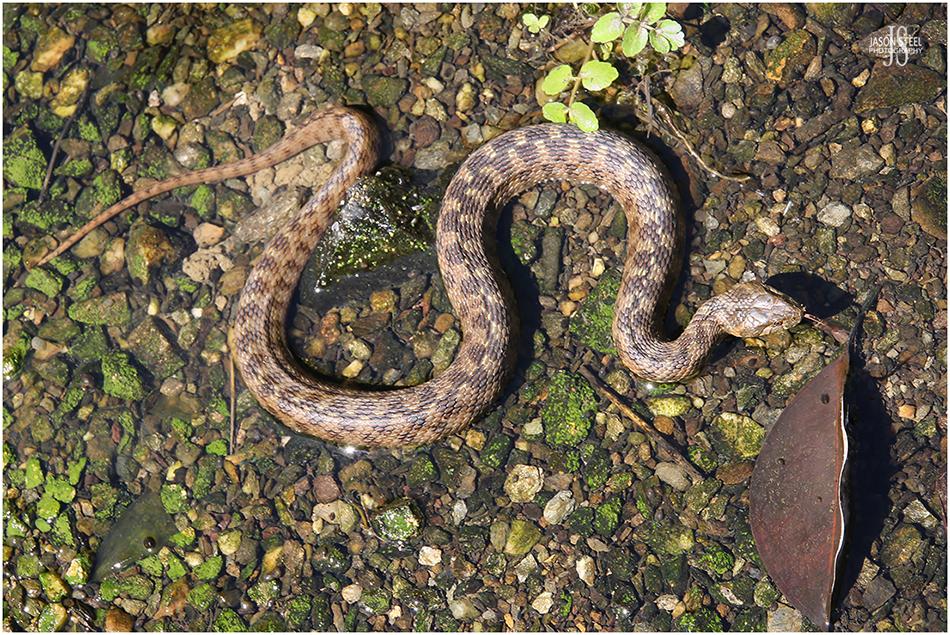
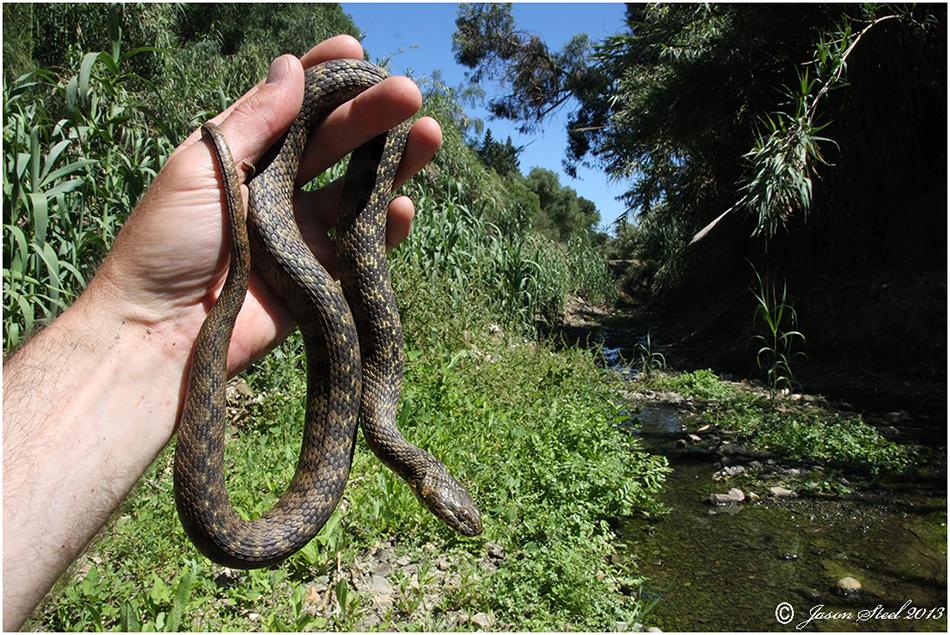


Adult female Viperine Water Snake. In a shallow, freshwater stream in Calahonda, Spain. May 2013


Adult female Viperine Water Snake. By a shallow, freshwater stream in Calahonda, Spain. May 2013

This image shows the typical habitat of the Viperine Water Snake. The water is clear, shallow and slow moving with plenty of vegetation along the banks. There is an abundance of small fish and frogs which the snake will prey on.
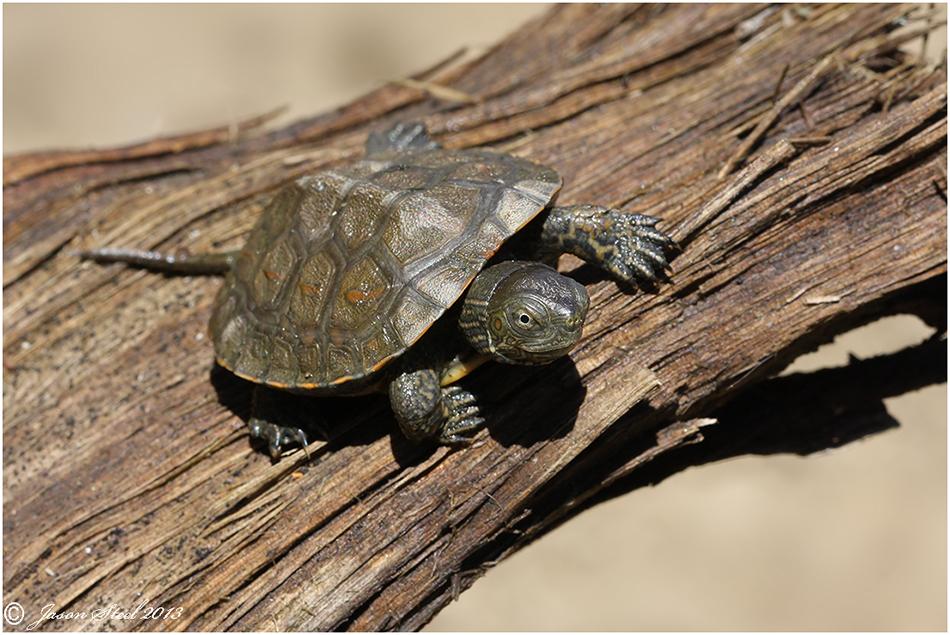


50mm juvenile Spanish Terrapin. Found in a freshwater stream in Calahonda, Spain. May 2013.

Spanish Terrapin  -  (Mauremys leprosa / Galápago leproso)

The Spanish Terrapin or Spanish Pond Turtle grows to a maximum length of 25cm and can often be seen basking on the banks of streams or areas of stagnant water. These Terrapins often bask at the edge of the water. When basking they are always very alert and will very quickly disappear to the bottom of the water if approached.

These terrapins are highly tolerant of pollution and can on occasion be found in even the filthiest of waters. 
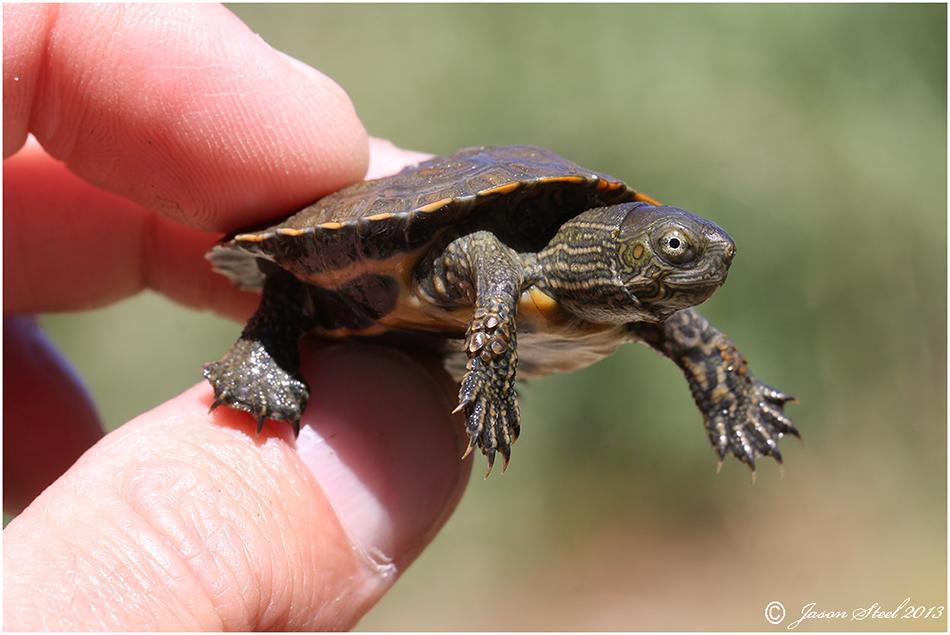

50mm juvenile Spanish Terrapin. Found in a freshwater stream in Calahonda, Spain. May 2013.

When they first hatch these terrapins are just 3cm in length. Although in the wild the adults have very few natural predators, they do now have to compete with the Red-Eared Terrapins (Trachemys scripta) which are a larger introduced species from Mexico and the USA.
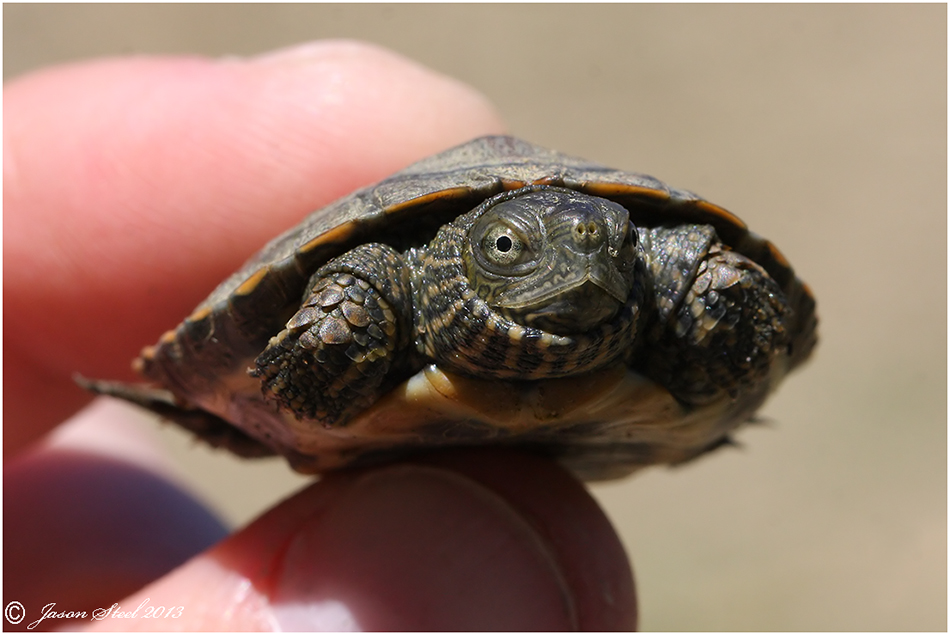


50mm juvenile Spanish Terrapin. Found in a freshwater stream in Calahonda, Spain. May 2013.
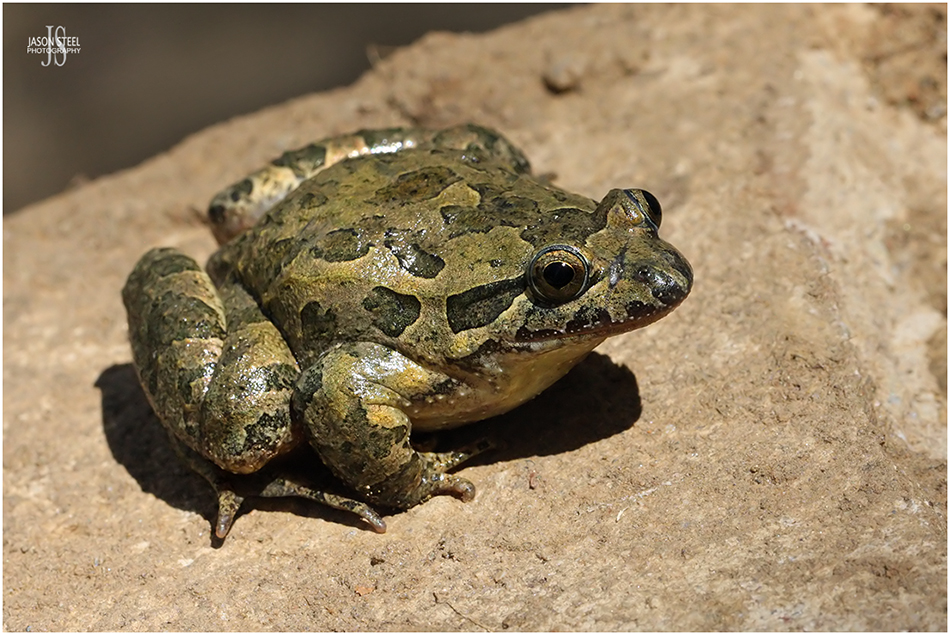


Spanish Painted Frog. Found by a freshwater stream in Calahonda, Spain. May 2013.

Spanish Painted Frog  -  (Discoglossus jeanneae)

The Spanish Painted Frog is a medium-sized frog, with males typically reaching around 63mm in body-length, and females reaching around 58mm. The top of the Spanish Painted Frog usually exhibits dark spots or stripes, and its underside is white or pale yellow. Adult males can be distinguished by webbing between their hind toes, which is not found on adult females or juveniles. During the breeding season males are even easier to identify as they develop dark calluses on their toes, throat and underside. The Spanish Painted Frog is usually found in and around rivers, lakes, marshes and meadows. The Spanish Painted Frog is endemic to Spain and it is feared it may be declining in numbers.

The Spanish Painted Frog (Discoglossus jeanneae) is very similar in appearance, and habitat preference, to the Iberian Painted Frog (Discoglossus galanoi). The Spanish Painted frog can be distinguished by its slightly shorter snout and smaller forefeet.
LINK 1    LINK 2    LINK 3


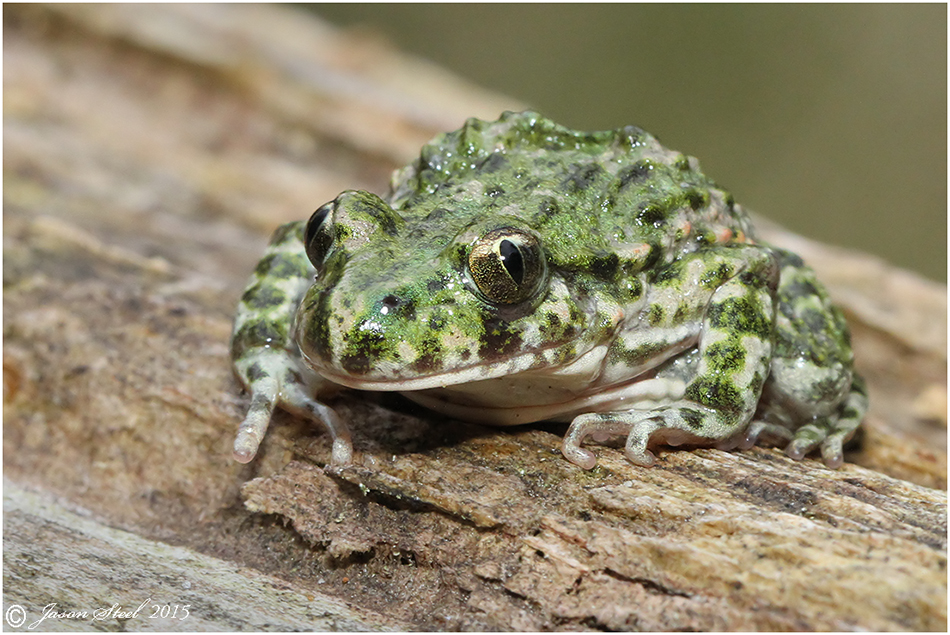
 Common Parsley Frog (Pelodytes punctatus). Photographed 15th March 2015

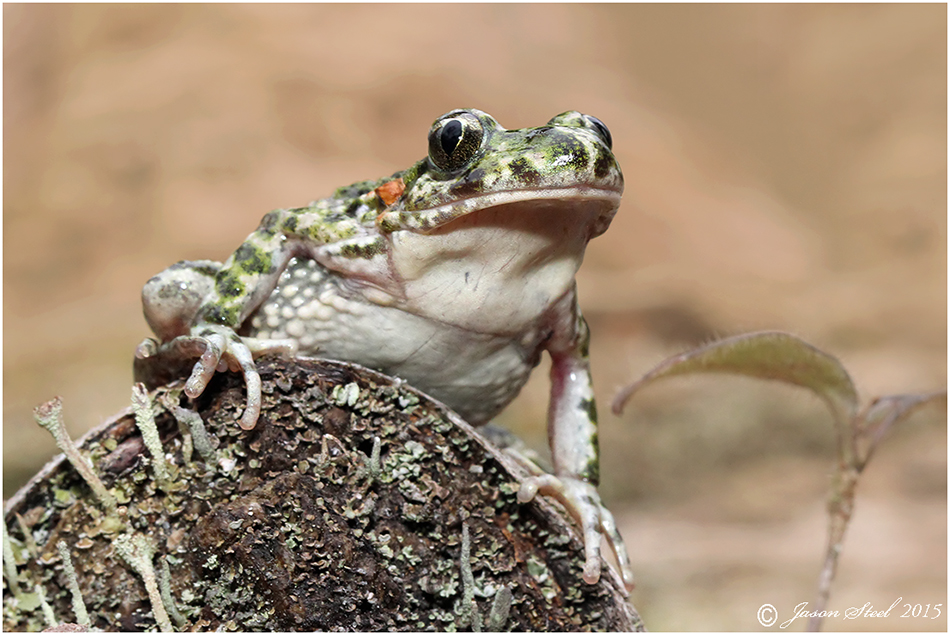
Common Parsley Frog - (Pelodytes punctatus)

The Common Parsley Frog is a small species that typically grows to around 45mm in length for females and 35mm for males. This species is a powerful jumper and can jump 70cm in a single leap. It is sometimes known as the Mud Jumper. The Common Parsley Frog is fossorial, so during the daytime it hides itself away under rocks or logs, or it digs itself into a hole in the mud. The Common Parsley Frog can be found in Spain, Portugal and France, where it inhabits regions from sea level up to 2000m. Breeding occurs twice a year, in spring and autumn. Eggs can be laid in bunches, or strings, attached to aquatic vegetation. This species is very similar to the Caucasian Parsley Frog, Pelodytes caucasicus, which was previously classed as a sub-species.
LINK 1    LINK 2    LINK 3


 Common Parsley Frog (Pelodytes punctatus). Photographed 15th March 2015
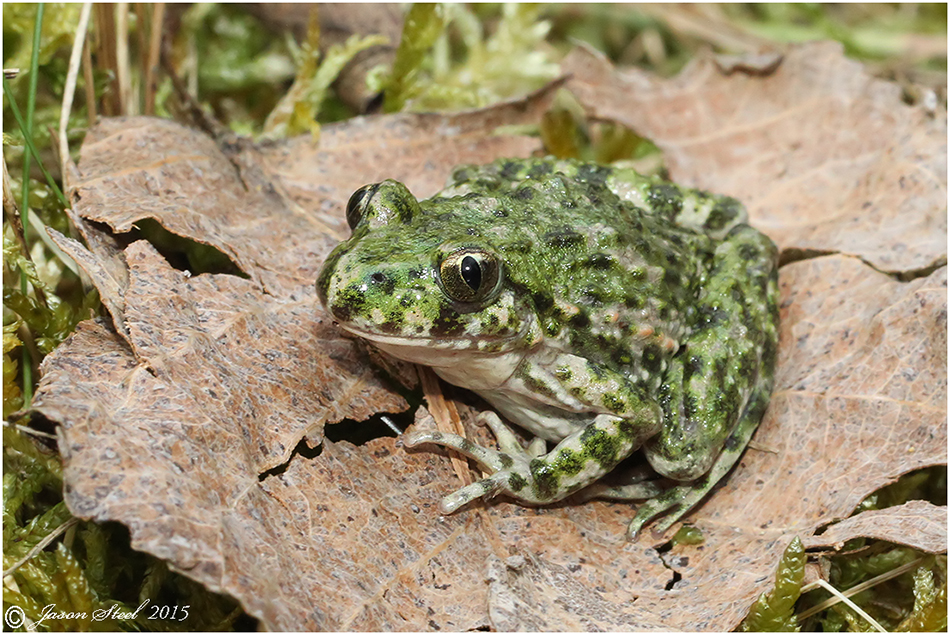


 Common Parsley Frog (Pelodytes punctatus). Photographed 15th March 2015
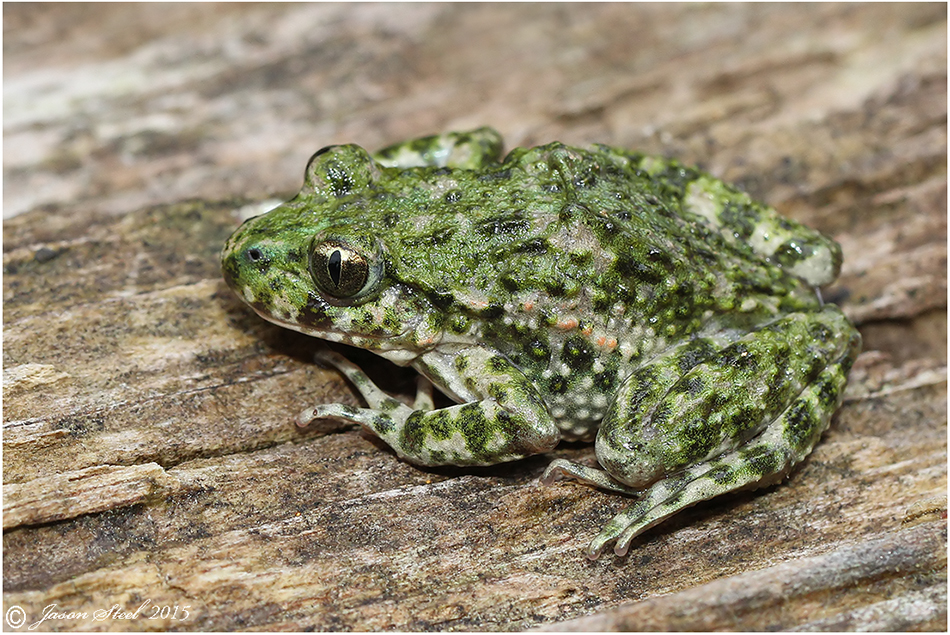


 Common Parsley Frog (Pelodytes punctatus). Photographed 15th March 2015
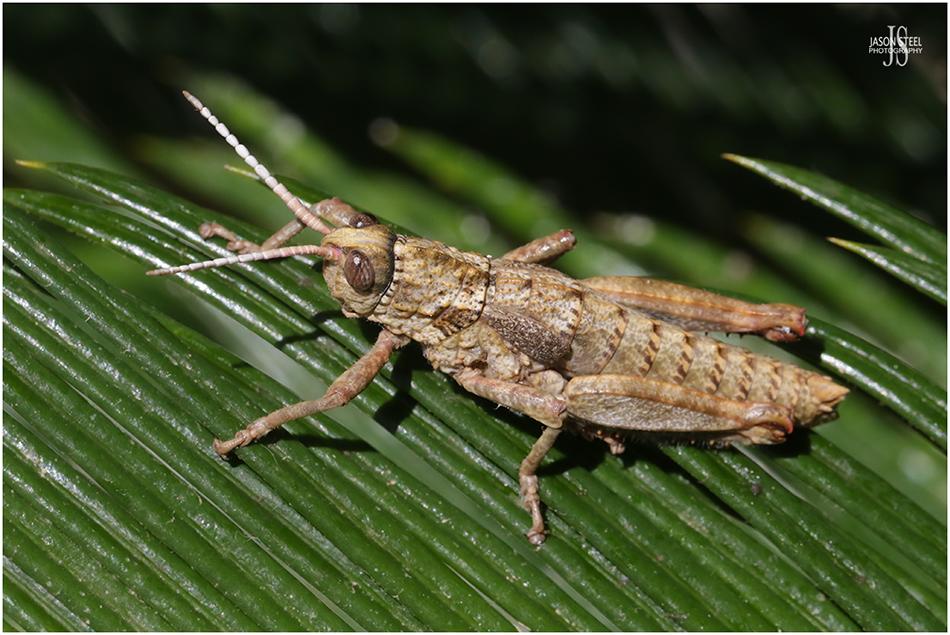


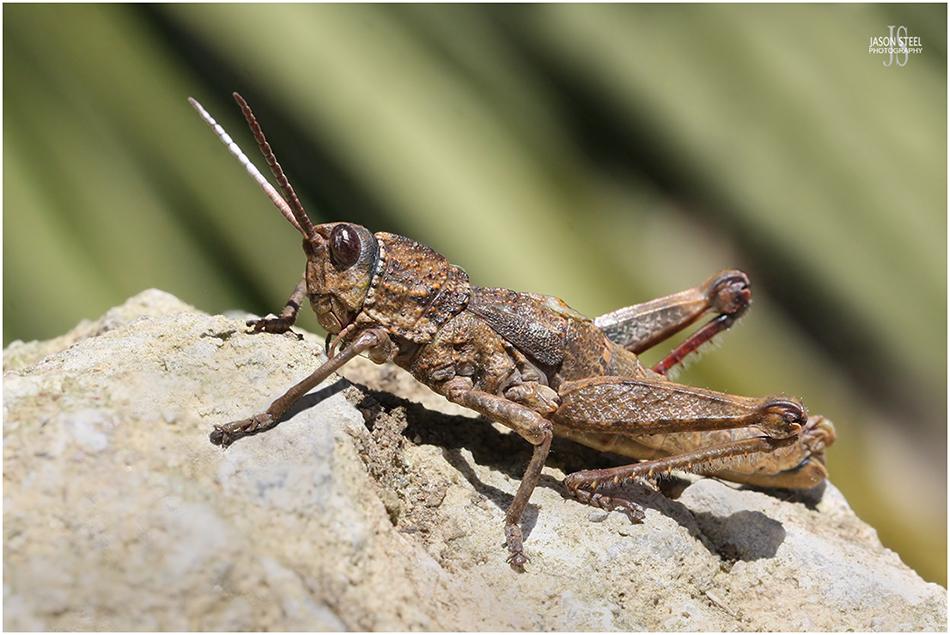
40mm adult male Western Stone Grasshopper. Resting on a palm tree in Mijas, 30th September 2025.

Western Stone Grasshopper -  (Acinipe hesperica)
Grasshoppers from the family Pamphagidae are known as the Shieldback Locusts, or sometimes Toad Grasshoppers. They belong to the superfamily Acridoideacan. Many different species from several different genus can be found throughout Europe, Africa and Asia. 

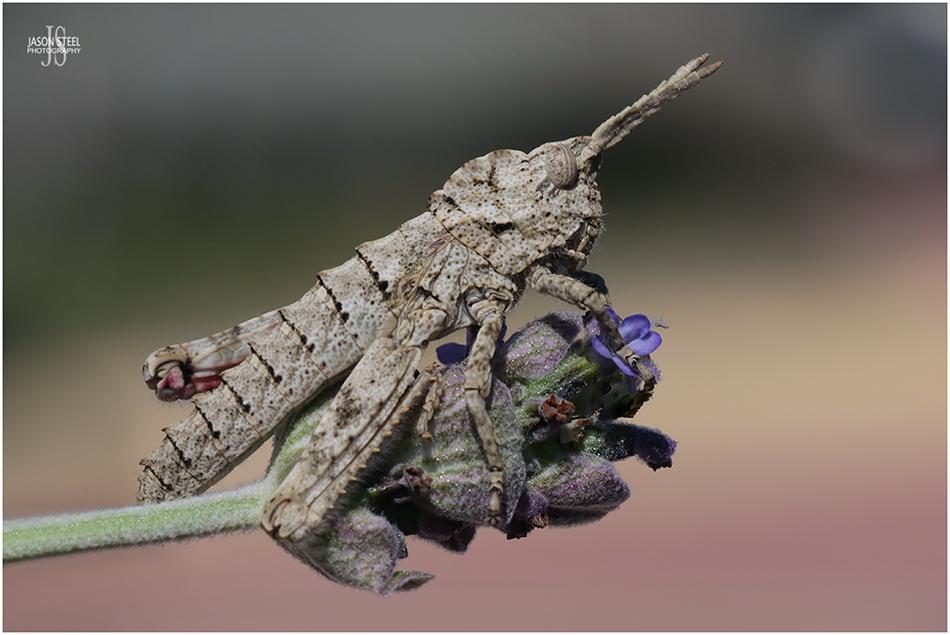
Acinipe is a genus within the family Pamphagidae. Due to their habitat preferences this genus are commonly referred to as the Stone Grasshoppers. The specimen pictured above has been identified as most likely being Acinipe hesperica, but could also be Acinipe deceptoria, or another species from the Acinipe genus. There are around 20 different Acinipe species known to be present in southern Spain and north Africa. These can be impossible to identify to species level from most photos unfortunately.

Acinipe hesperica is usually found in warm, dry habitats, often with bushes in rocky areas. The larger females can grow to an impressive size of 70-80mm in body-length, without including their antennae.

LINK 1     LINK 2     LINK 3     LINK 4    LINK 5    LINK 6    LINK 7

40mm Stone Grasshopper (Acinipe species). Photographed in Calahonda, Spain. 29th May 2013.


30mm Stone Grasshopper (Acinipe species). Photographed in Benalmádena, southern Spain. 2nd October 2025.


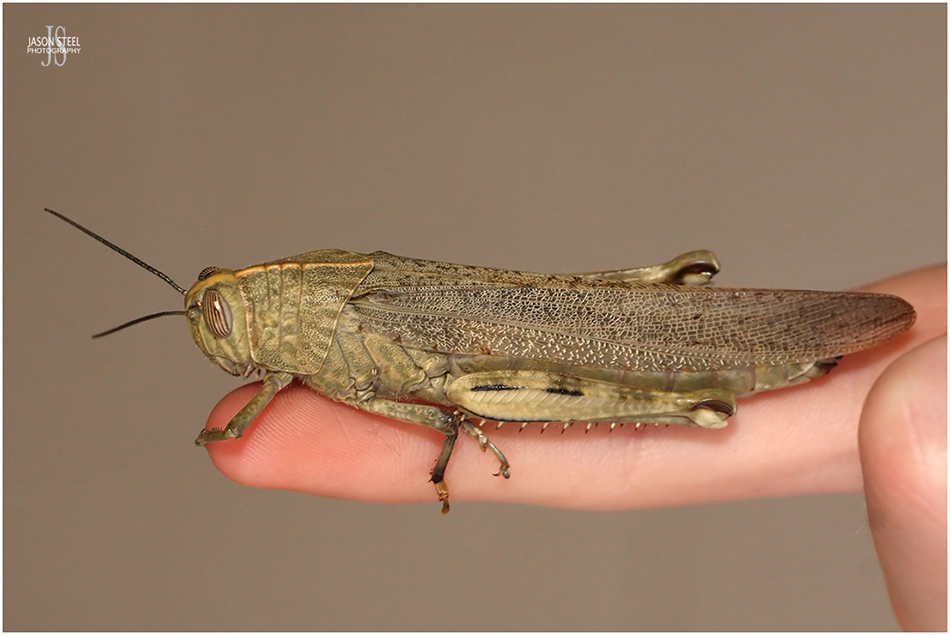
Egyptian Grasshopper, with a body-length of around 80mm. Found in Calahonda, Spain. May 2013

Egyptian Grasshopper / Egyptian Tree Locust -  (Anacridium aegyptium)

The Egyptian Grasshopper is a very large and common species of Tree Locust across the Mediterranean. They can also be found across much of Europe and Africa. Both sexes are fully winged and strong fliers. This species is sometimes known as the Egyptian Bird Grasshopper. Juveniles and adults are entirely herbivorous, and are usually seen in bushes and trees, feeding on leaves of various plants. Egyptian Grasshoppers are usually a solitary species and are therefore not often regarded as a pest to crops. I've read conflicting sources, with some claiming that occasionally small swarms of Egyptian Grasshopper can develop, which are capable of travelling relatively short distances. Other sources claim that the Egyptian Grasshopper does not swarm. Swarms large enough to be potentially harmful to crops are not known to occur.

Adults males usually reach 35-55 mm in body-length. Females usually reach 65-70mm in length, but sometimes slightly larger specimens measuring over 80mm do occur. The Egyptian Grasshopper varies in colour from a pale stone colour to brown or even green. The eyes have black and white vertical stripes, which along with their large size, make identification of this species fairly easy. Juveniles are born in spring and are usually yellow or green. Initially they have very short wings, which grow with each moult. Adults overwinter.

This species does turn up in the wild in Britain on occasion. These occurrences are thought to be either windblown vagrant specimens, accidental imports, or escapees from the exotic pet trade.

LINK 1    LINK 2    LINK 3    LINK 4    LINK 5
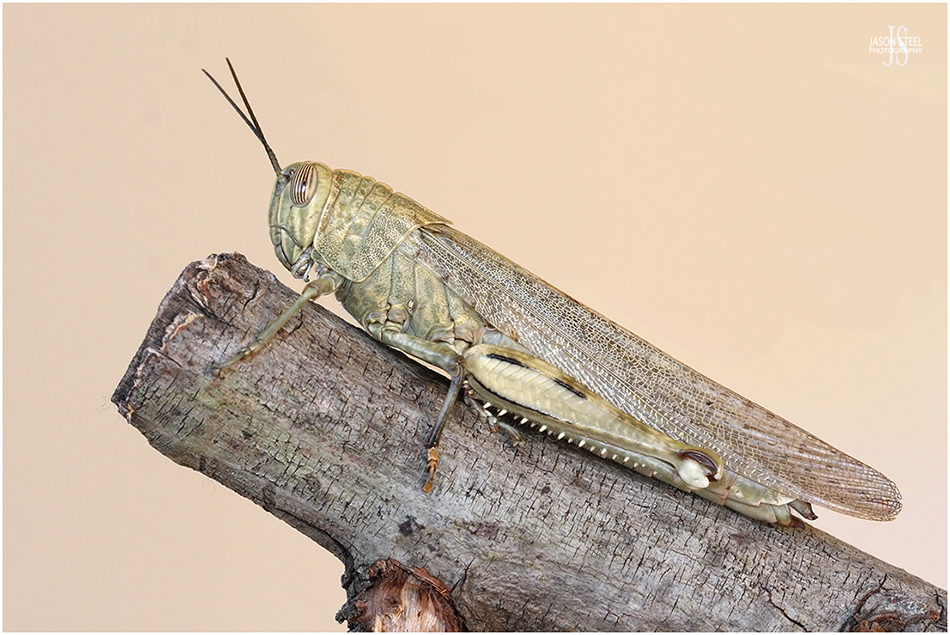

Egyptian Grasshopper, with a body-length of around 80mm. Found in Calahonda, Spain. May 2013
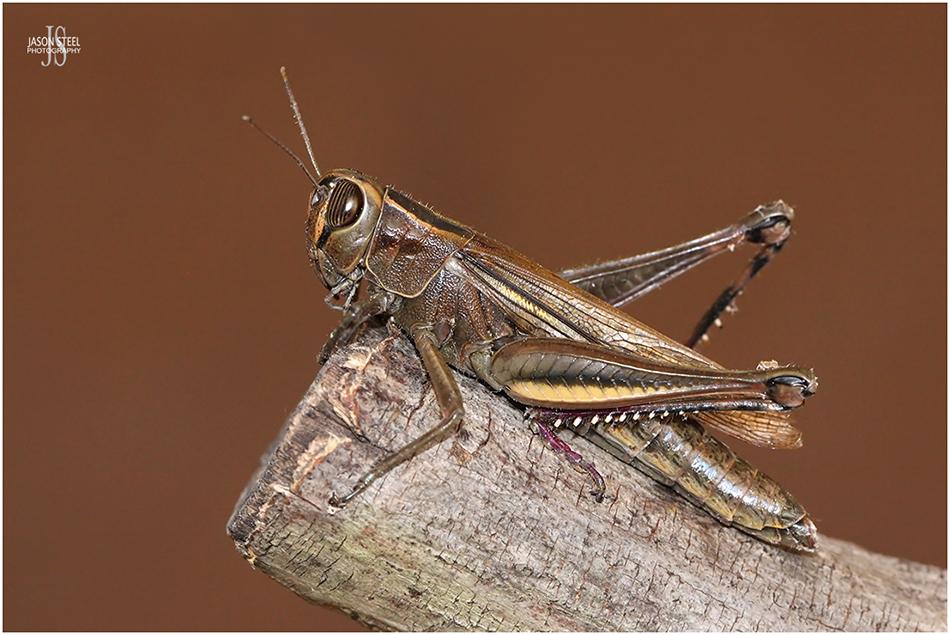


40mm Lamenting Grasshopper. Found in Calahonda, Spain. May 2013

Lamenting Grasshopper  -  (Eyprepocnemis plorans)

The Lamenting Grasshopper is a medium-sized species reaching around 45mm in body-length. This species is common across southern Europe, the Middle-East and Africa. The Lamenting Grasshopper is herbivorous and feeds mainly on grasses and sedges. It favours wetland areas and coastal vegetation.
LINK 1    LINK 2    LINK 3


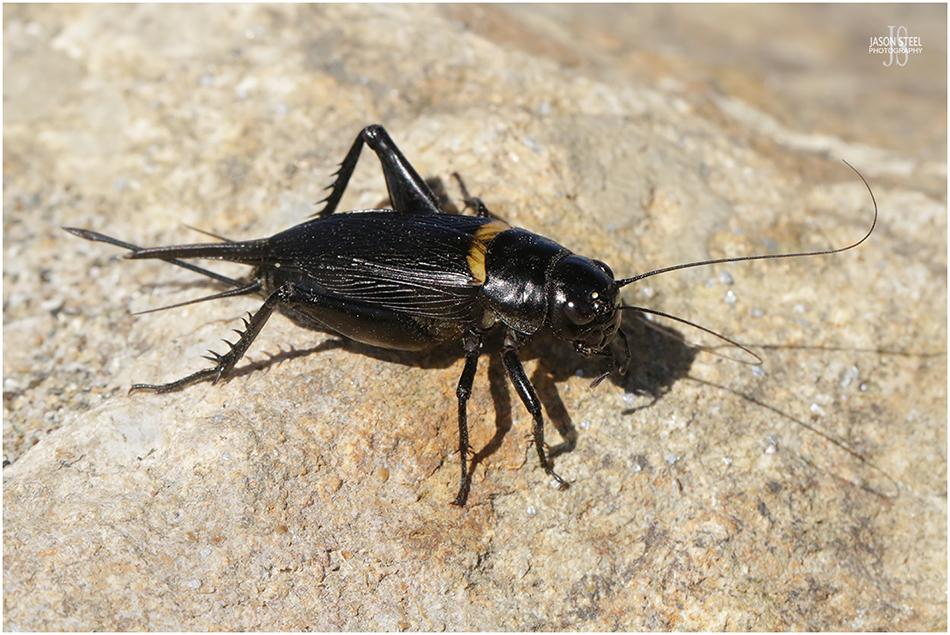
40mm Two-Spotted Cricket / Mediterranean Field Cricket, found under a rock in Fuengirola, 1st October 2025.

Two-Spotted Cricket / Mediterranean Field Cricket  -  (Gryllus bimaculatus)
The Two-Spotted Cricket is a large and robust species that typically grows to around 30mm. 40mm specimens, like the one pictured above, are not uncommon though. The Two-Spotted Cricket cricket goes by several other common names, including the Mediterranean Field Cricket, Southern Field Cricket and African Field Cricket. It's range extends from southern Europe and Africa into much of Asia. This species is commonly bred in captivity as food for the exotic pet trade. Because of this accidental or deliberate release of these crickets into the wild, in countries where they are considered as non-native, is not uncommon. They may even be already established in some parts of southern England. These crickets are also bred for human consumption in Asia. The diet of the Two-Spotted Cricket is highly varied. These crickets are omnivorous and will feed on seeds, leaves, flowers, fruits, smaller insects and insect larvae.

The Two-Spotted Cricket lives mainly underground, in cracks and crevices, as well as under rocks and logs. These crickets may also dig themselves small burrows in loose soil. They regularly use burrows dug by other animals as shelter. Males are very territorial and will fight off all other males. A male will happily share its home with any number of females though.

LINK 1    LINK 2    LINK 3

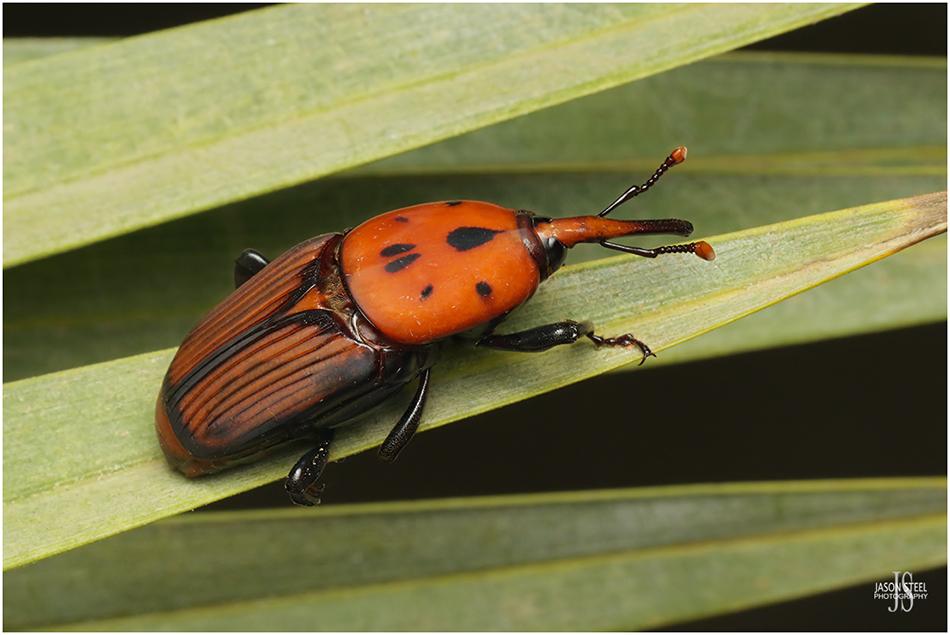
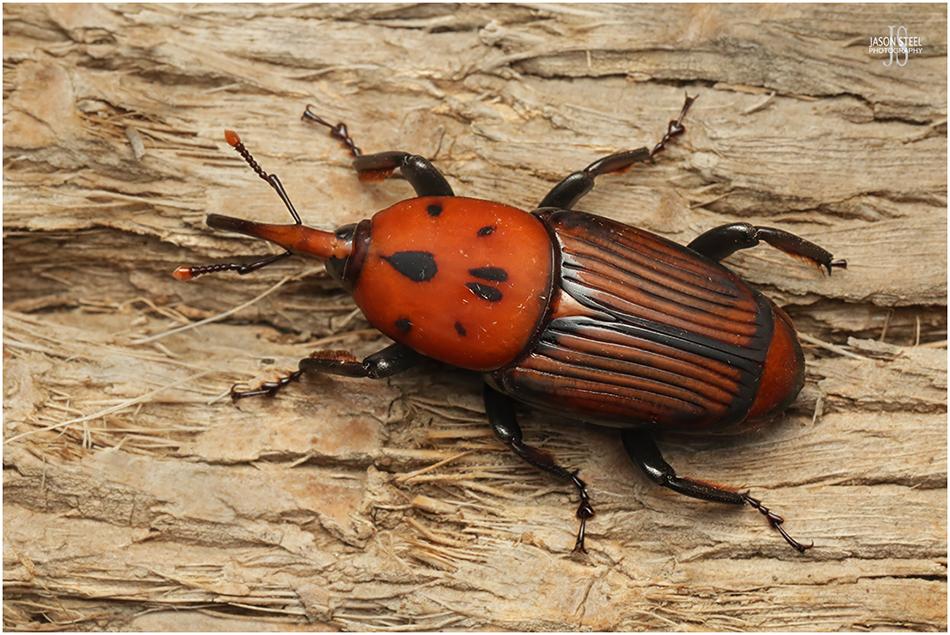
40mm Red Palm Weevil, Rhynchophorus ferrugineus. Found near the 'Stupa of Enlightenment' Buddhist temple, in Benalmádena. 2nd October 2025.

Red Palm Weevil  -  (Rhynchophorus ferrugineus)
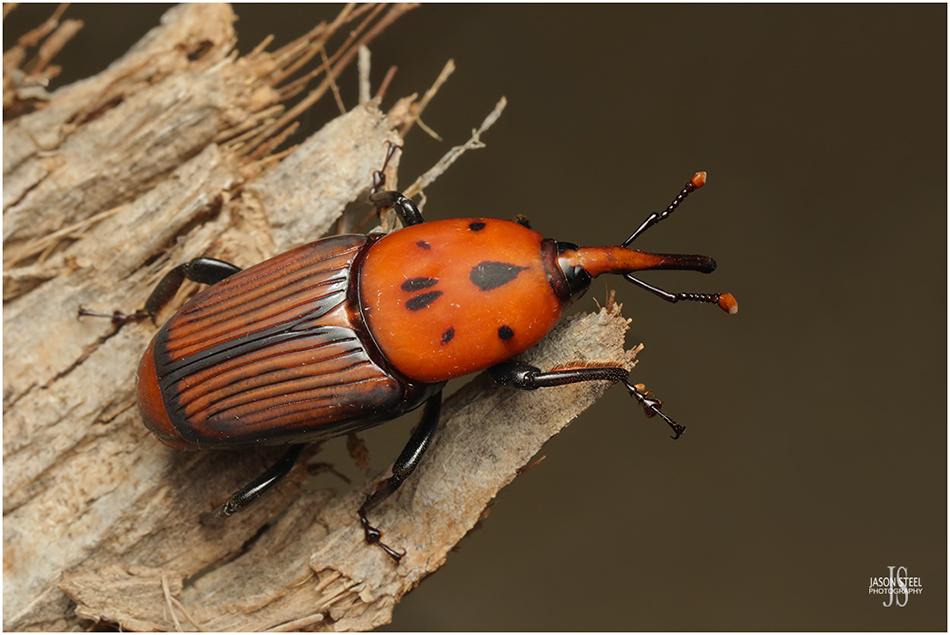
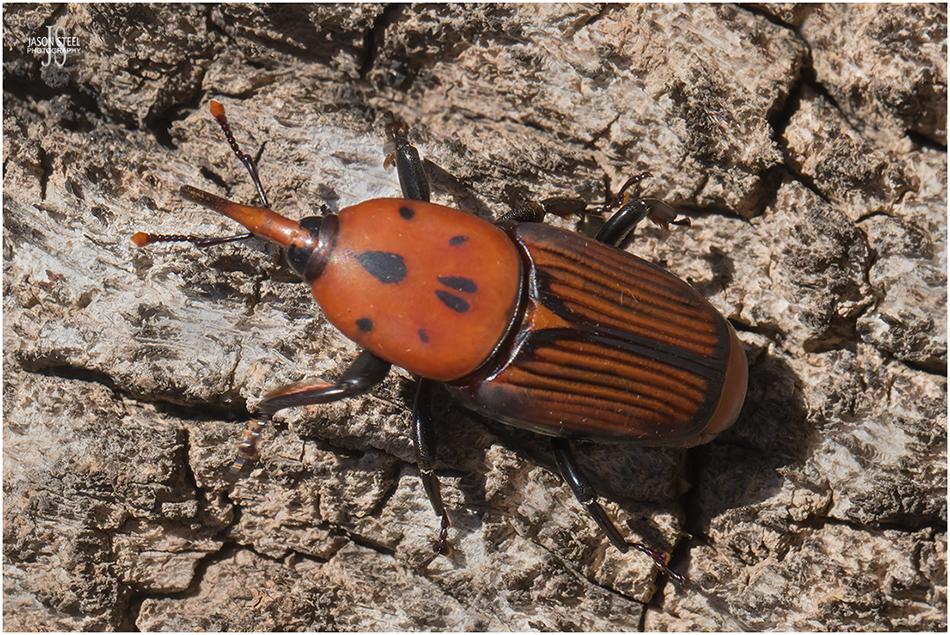
The Red Palm Weevil is one of the two Giant Palm Weevils from the Rhynchophorus genus. The Red Palm Weevil is a large and very striking looking weevil, with adults having an average body-length of around 35mm. Specimens can range in size from 20-42mm though. Most specimens are orange and black in colour but the base colouration can vary from mostly black, to brown, to orange or even to bright red. The markings can also vary. Despite their beautiful appearance the Red Palm Weevil is one of the most hated insects found in the Mediterranean. This non-native and highly invasive weevil originated from tropical Asia but has now spread to much of the Mediterranean area, as well as to Africa and parts of the USA. By 1994 the Red Palm Weevil had reached Grenada, in Spain. In 2006 it had reached both Cyprus and France. In 2010 the closely related species, Rhynchophorus vulneratus, had been found in California, in the USA.

LINK 1    LINK 2    LINK 3    LINK 4

So why are these beautiful beetles considered such pests? The Red Palm Weevil can be found in all its life stages feeding on the soft inner-pulp of various Palm Trees, including the Coconut Palm, Date Palm, Ornamental Palm, Sago Palm and Oil Palm. The large, plump grub larvae typically reach 40-50mm in length and can burrow holes up to 1 metre deep into the trunk of the Palm Tree. These excavations weaken, and eventually kill, the trees. As a result the Red Palm Weevil is considered highly dangerous, and a major pest to palm plantations. In some areas entire landscapes have been changed as huge numbers of Palm Trees have been infested by the Red Palm Weevil.

Although the main reason behind the rapid spread of the Red Palm Weevil to new areas is the sale and movement of infected Palm Trees, the Red Palm Weevil is an excellent flier. Adult weevils can travel great distances in search of host trees. The adults usually target trees that are already infected, or have been weakened by other causes, but the Red Palm Weevil can also target perfectly healthy trees. Young trees are preferable as these are generally softer and easier to burrow into. One female can lay from 200-500 eggs. These can be laid in the crown of the tree, in cracks and crevices on the trunk of the tree or in holes already produced by burrowing weevils. Once the eggs are laid the female then secretes a solution on top of the eggs that hardens and protects the eggs. The eggs hatch rapidly and the pale, legless grubs, with their dark heads, emerge after just 3-6 days. The larvae quickly burrow into the tree and feed for about 1-3 months. Once they are fully grown they usually reach up to 50mm in length, but can occasionally reach an impressive 70mm. At this stage the larvae usually leave the tree and pupate in leaf litter and palm fibres near the base of the tree. Sometimes the larvae will pupate within the base of the tree itself, particularly if the tree has already suffered extensive damage from internal excavation and has hollow areas inside. Pupation usually takes 15-30 days. It can take just 3-4 months for the total life-cycle to complete. Adult Weevils generally live for 45-90 days.

The threat from the Red Palm Weevil is taken extremely seriously. Restrictions on the movement of Palm Trees is in place in many countries. Infected trees need to be reported and dealt with by professionals. Pheromone traps are often used to trap adult weevils.

The Red Palm Weevil has been found in the UK on at least two occasions. In 2016 a Round-leaf Fountain Palm, Saribus rotundifolia, in Essex, was found to contain large numbers of both adult and larvae forms of the Red Palm Weevil. The Palm Tree had been imported from the Netherlands 7 months earlier. The infected tree was destroyed and the surrounding area monitored by the Plant Health and Seeds Inspectorate. Previous to that a single specimen had been found on a plant imported from Sri Lanka in 2014.

By the time an infestation of Red Palm Weevils has been detected it is usually too late for the Palm Tree to be saved. Signs of an infestation can include wilted and yellowed branches and leaves, and a strong fermented odour emitted from the upper trunk of the tree. Truncated or cut-off leaf tips may be visible from the ground by using binoculars to inspect the tree. Holes in the crown of the tree may also be observed, from which chewed-up fibres are ejected. These holes may be accompanied by an oozing brown liquid. If an ear is placed on the trunk of the Palm Tree the crunching sound, produced by the grubs feeding, can sometimes be heard. Empty pupal cases or dead adult weevils can sometimes be found around the base of the tree.

40mm Red Palm Weevil, Rhynchophorus ferrugineus. Found in Benalmádena. 2nd October 2025.


40mm Red Palm Weevil, Rhynchophorus ferrugineus. Found in Benalmádena. 2nd October 2025.


40mm Red Palm Weevil, Rhynchophorus ferrugineus. Found in Benalmádena. 2nd October 2025.


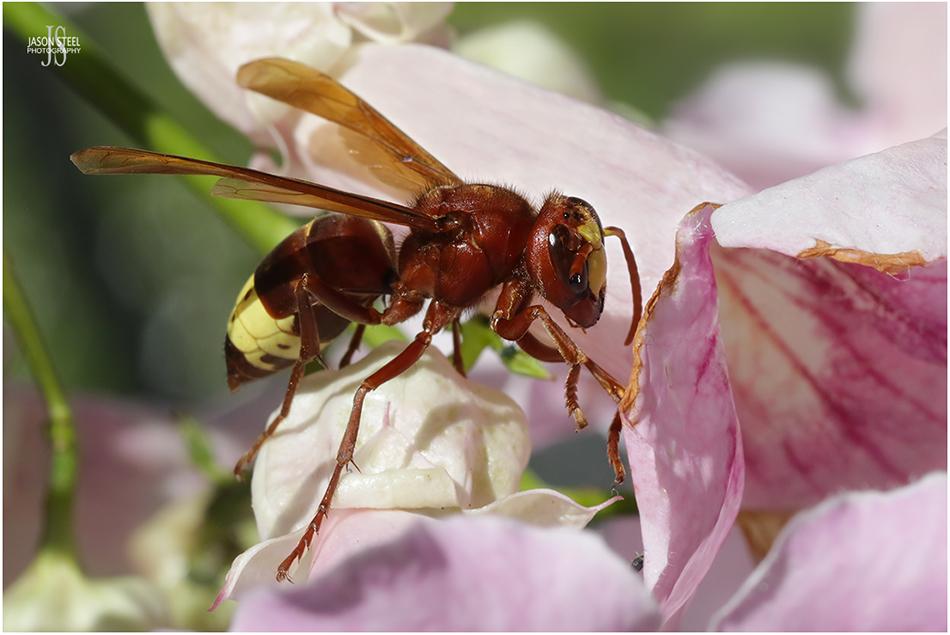
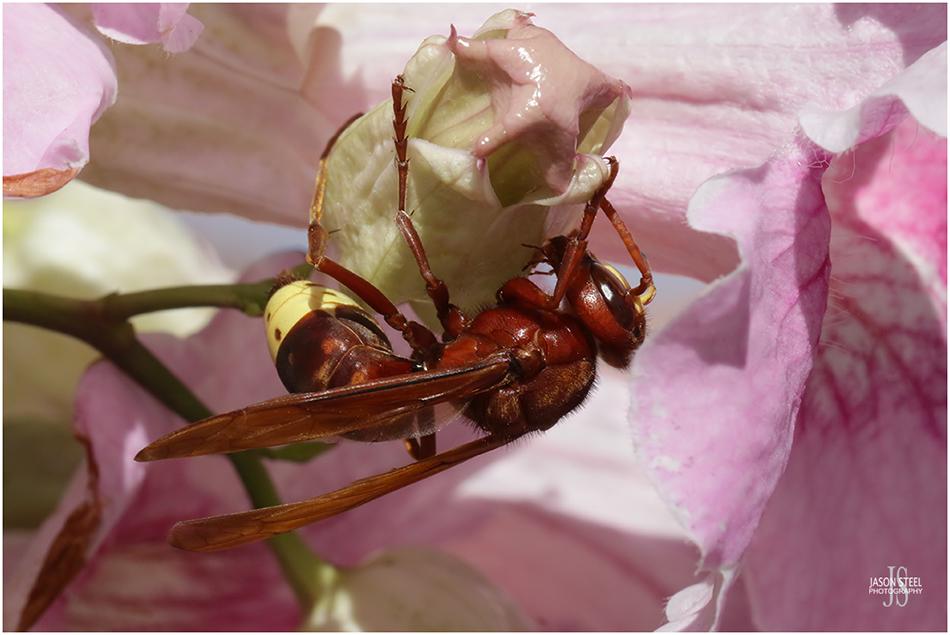
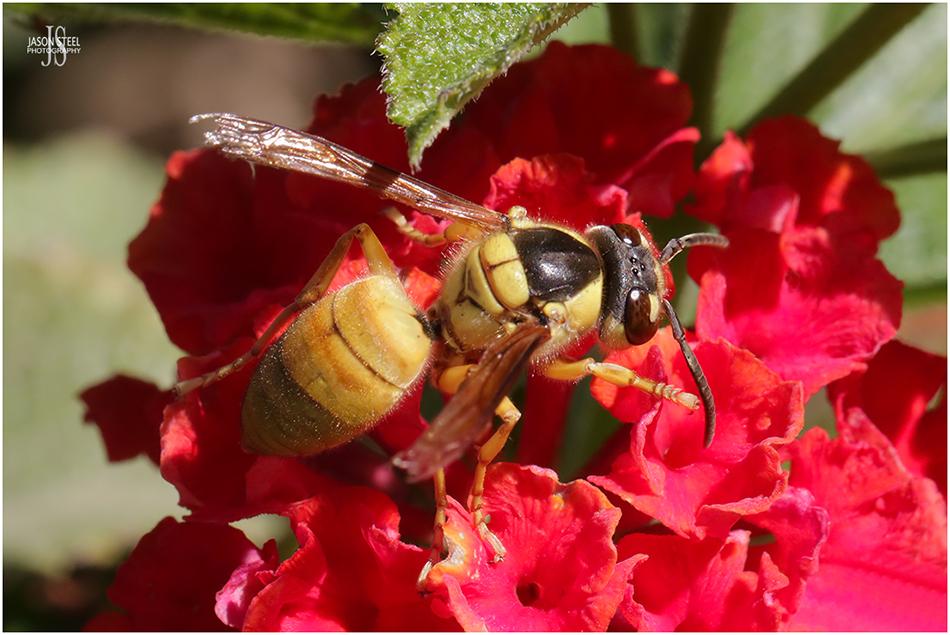
Oriental Hornet. Mijas. 30th September 2025.

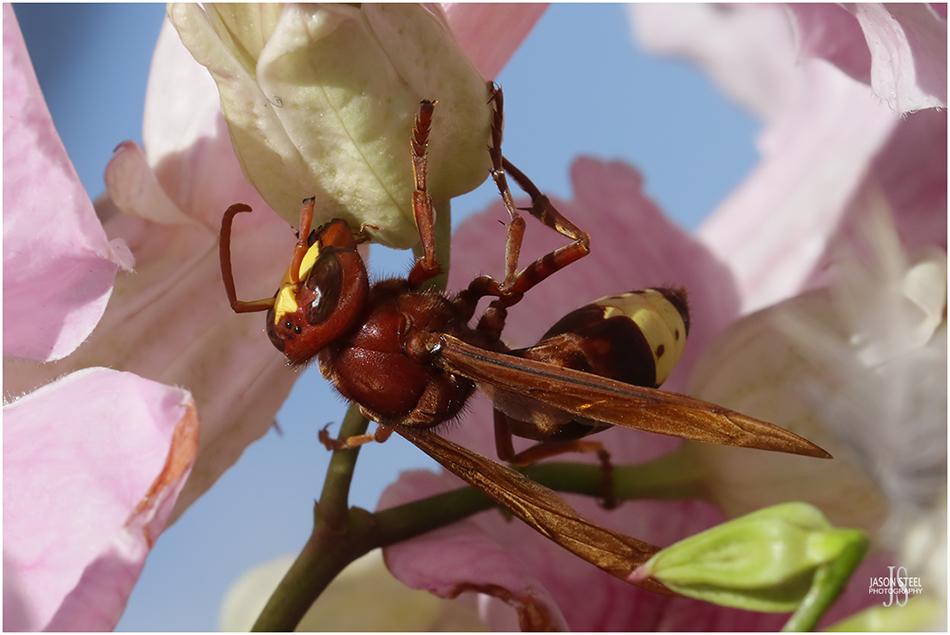
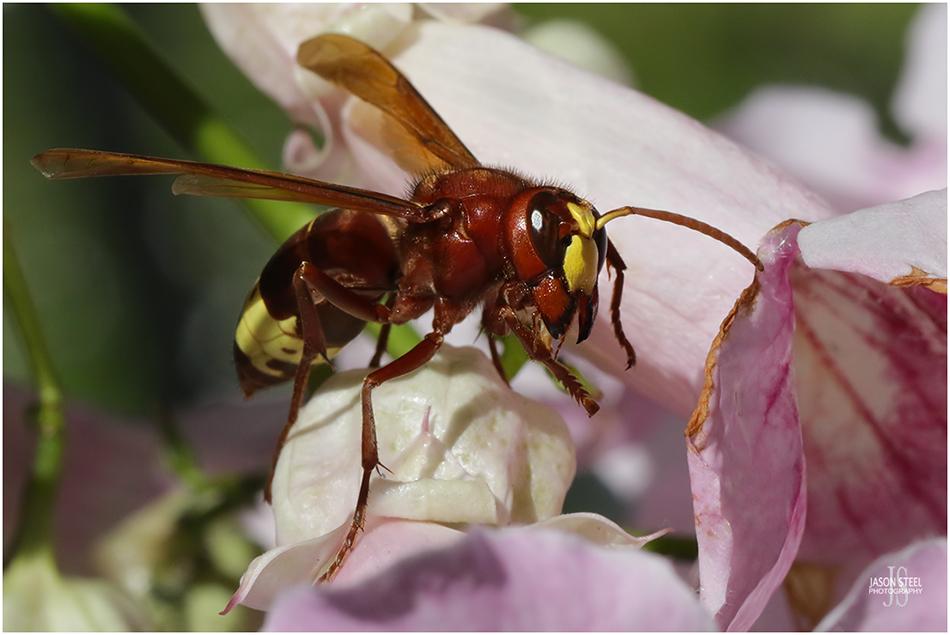
Oriental Hornet  -  (Vespa orientalis)
The Oriental Hornet is a large social wasp found in mainly in northern Africa, Asia and the Mediterranean region. Adult Oriental Hornets typically grow to around 25-35mm in length and feed primarily on nectar, pollen, honeydew and fruits. They also hunt other invertebrates for a rich source of protein, which they take back to the nest for the carnivorous larvae. Honey Bees often fall victim to the Oriental Hornet. The nests of Honey Bees are sometimes raided by Oriental Hornets, that will feed on both the bees, the larvae and the honey. The Oriental Hornet is not usually aggressive towards humans but when threated the sting of the Oriental Hornet is reported to be very painful. The nests of the Oriental Hornet are usually made underground. The colony peaks in size during late summer and early autumn, before new queens and drones are produced and the old queen dies. After mating has occurred between the drones and the new queens the drones soon die off. The mated queens will hibernate in cracks in the ground, or in hollows in trees, and will emerge in the spring. The queen will quickly start building a small nest where she will lay her first eggs. Most nests are built underground but occasionally paper nests are constructed in hollow trees, and are built using wood pulp. Once hatched and reared the new female workers will completely take over the tasks of gathering food and further building the nest. The queen will remain hidden in the centre of the nest and will concentrate solely on laying eggs and increasing the hornet numbers in the colony. As with many species of social wasp the colony of the Oriental Hornet revolves around the queen. If the queen dies prematurely, or is killed by a predator, then the colony dies too.

Males, known as drones, can be distinguished from the female workers by the number of segments on their antenna. Drones have slightly longer antennae with 13 segments, while workers only have 12 segments. Vespa orientalis is usually the only social wasp that inhabits arid areas.

The Oriental Hornet has been shown to use the pigment xanthopterin, found in the yellow stripe on its abdomen and the yellow patch on its head, to harvest and convert light into electricity, through the process of photosynthesis. It is believed that this electricity is stored and is probably used as a source of energy, especially to power night-time activity.

LINK 1    LINK 2    LINK 3    LINK 4

Oriental Hornet. Mijas. 30th September 2025.


Oriental Hornet. Mijas. 30th September 2025.


Oriental Hornet. Mijas. 30th September 2025.


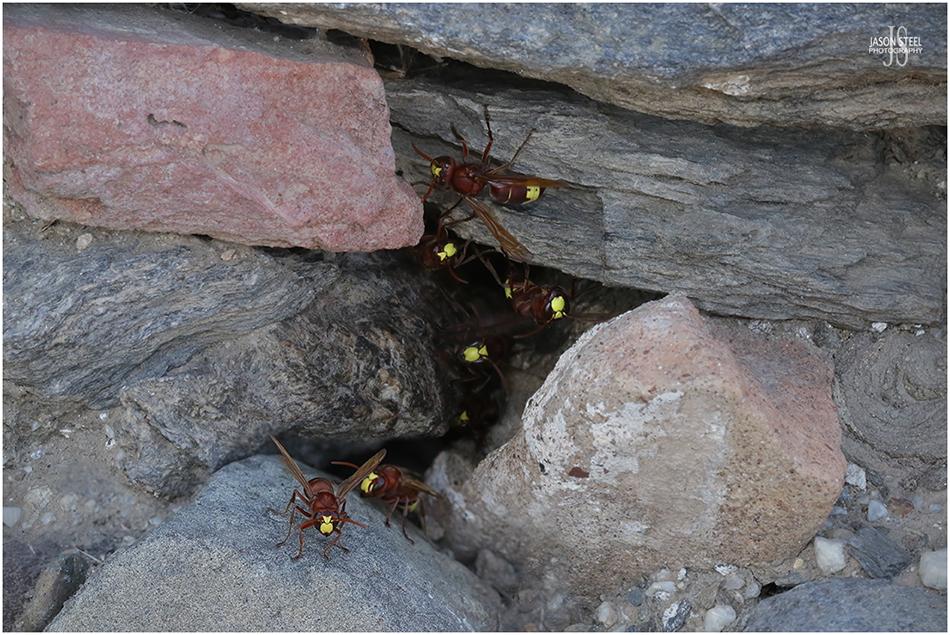
Oriental Hornet. Fuengirola. 1st October 2025.

These Oriental Hornets had built their nest in a hollow stone wall, near the Castillo Sohail, in Fuengirola. I was able to stand very still, and take some photos, just a couple of metres from the nest without disturbing them.


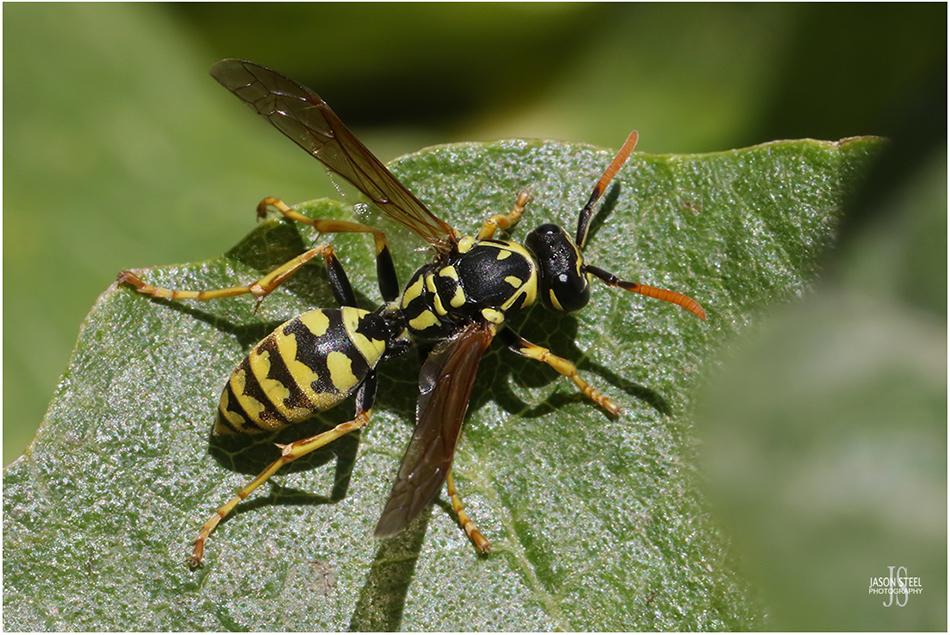
Paper Wasp Polistes species. Mijas. 30th September 2025.

Paper Wasp  -  (Polistes gallicus / Polistes dominula)
Polistes species are social wasps with a slightly slender build. There are two similar species in the Mediterranean region, Polistes gallicus and Polistes dominula. The two species can be distinguished if you can get a close look at the mandibles or the reproductive organs in the 7th body segment, specifically the hypopygium. The mandibles of Polistes gallicus usually have yellow spots, whereas the mandibles of Polistes dominula are entirely black. The hypopygium of Polistes gallicus is black, whereas the hypopygium of Polistes dominula is largely yellow. Polistes gallicus is found in the Mediterranean regions, whereas Polistes dominula has expanded its range outside of the Mediterranean and can now be found in cooler regions with harsher climates too. Polistes gallicus is sometimes referred to as the French Paper Wasp. Polistes dominula usually grows to a length of 9-13mm. Polistes gallicus is slightly larger and typically reaches lengths of around 10-16mm.

After over-wintering the queen wasps quickly begin building their nest from a mixture of plant fibres, sourced from branches of trees and bushes, and a secretion from their mouth. The first of the queen's eggs will soon hatch. These new female workers will immediately take over the tasks of building and maintaining the nest, and gathering food for the next brood. Adult wasps feed on mixed diet of nectar, pollen and fruit. They also collect protein for the brood, which is sourced from live invertebrates, including various insects and small spiders. Protein is also collected from decaying matter and dead corpses too. 

In the UK both species have been recorded. There is often considerable confusion between the species though. Polistes dominula is probably established in parts of the UK. Most records of fully established and breeding colonies have come from the Thames corridor, in the south-east of England. Polistes gallicus has also been recorded on occasion in the UK, but only as vagrant specimens, typically arriving in the UK with imported fruit and vegetables.

As with most other social wasps the Paper Wasps are not aggressive towards humans, but may sting in self defence, or when protecting their nest. Stings are moderately painful and typically cause localised pain, sometimes accompanied by redness and minor swelling, which usually resolves within a few days.

LINK 1    LINK 2    LINK 3

Black Shield Wasp, Vespa bicolor. Photographed at the Castillo de Colomares, in Benalmádena, southern Spain.  2nd October 2025.

Black Shield Wasp / Bicoloured Hornet  -  (Vespa bicolor)
The Black Shield Wasp is a non-native species to Spain, which arrived around 2013 from China. In China the Black Shield Wasp is one of the most common species of large wasp. It is also the smallest of the Vespa species, with workers usually reaching a length of 17-19mm. Specimens can measure anywhere between 15-23mm. Queens are usually around 25mm in length. The Black Shield Wasp is easily recognisable by its pale yellow colouration with a black triangular patch on the central part of the thorax. Specimens can have a pale yellow abdomen or can display black bands, especially after feeding when the abdomen is stretched.

This wasp is an important pollinator of the rare orchid, Dendrobium sinense, which grows only on the Chinese island of Hainan. The orchid has been found to mimic the pheromones of the Honey Bee, upon which this predatory wasp preys upon to feed to its larvae. Nests are often built high in the canopy of trees around April. But queens can emerge earlier or later than this so the construction of the nest can commence from mid-march until May. The colony only dies in late February or early March so this wasp colony has a long lifespan and a very short period between the death of the old colony and the birth of the next generation. Although this species is not known to be aggressive the workers will quickly rise to fiercely defend their nest, and stings to humans can be painful.

In Spain the Black Shield Wasp doesn't appear to be very successful at colonising new areas and since its accidental introduction in 2013 the wasp hasn't managed to spread much beyond the Malaga area.
LINK 1    LINK 2    LINK 3

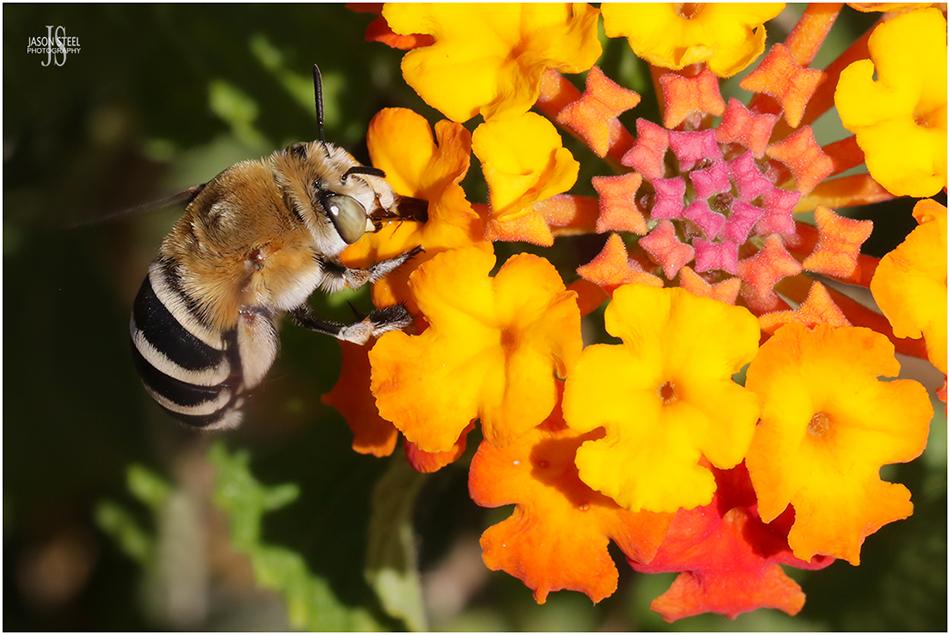
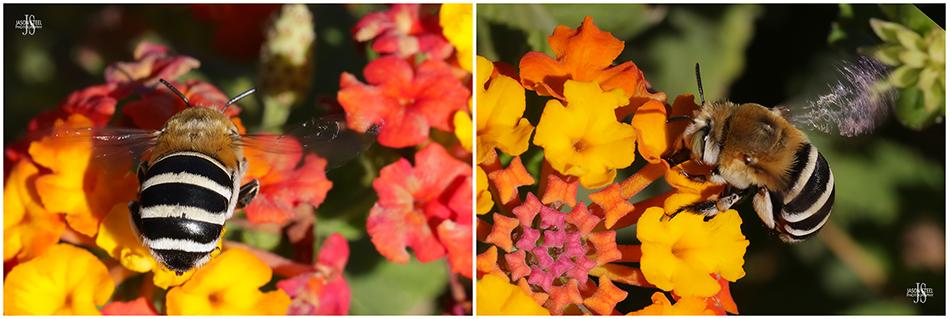
Female Four-Striped Digger Bee (Amegilla cf quadrifasciata). Photographed at the Castillo de Colomares, in Benalmádena, southern Spain.  2nd October 2025.

Four-Striped Digger Bee  -  (Amegilla quadrifasciata)
The Four-Striped Digger Bee is one of several Amegilla species found in the Mediterranean area, and identifying to species level can be tricky. These medium-sized bees are solitary and do not form colonies or swarms. None are known to be aggressive towards humans. As their name suggests they dig small nests or burrows in loose soil, often in open soil or dried river banks. These nests can also be constructed in soft masonry too. Within these burrows the females excavate tunnels and cells, in which they store pollen and nectar as food for the larvae. The larvae pupate in the autumn and emerge as adults in the spring, usually in March. 

Adult bees are most commonly observed from March until the end of September, but some specimens may be seen all year round. The Four-Striped Digger Bee typically grows to a body-length of around 9-12mm. The long proboscis allow them to drink nectar from a wide range of flowers. The Four-Striped Digger Bee has a robust and hairy orange-brown thorax. The abdomen has black and white, or pale blue, bands. Males usually have more bands than the females. The face is pale white. The dense hairs on the hind legs, used for collecting pollen, and known as the scopa, is black at the front edge. The metatarsus on the hind legs is black haired. The third segment of the antennae is about as long as the combined length of the three following segments. Whilst they don't produce honey Amegilla Bees are important pollinators of crops and wild flowers.

LINK 1    LINK 2    LINK 3


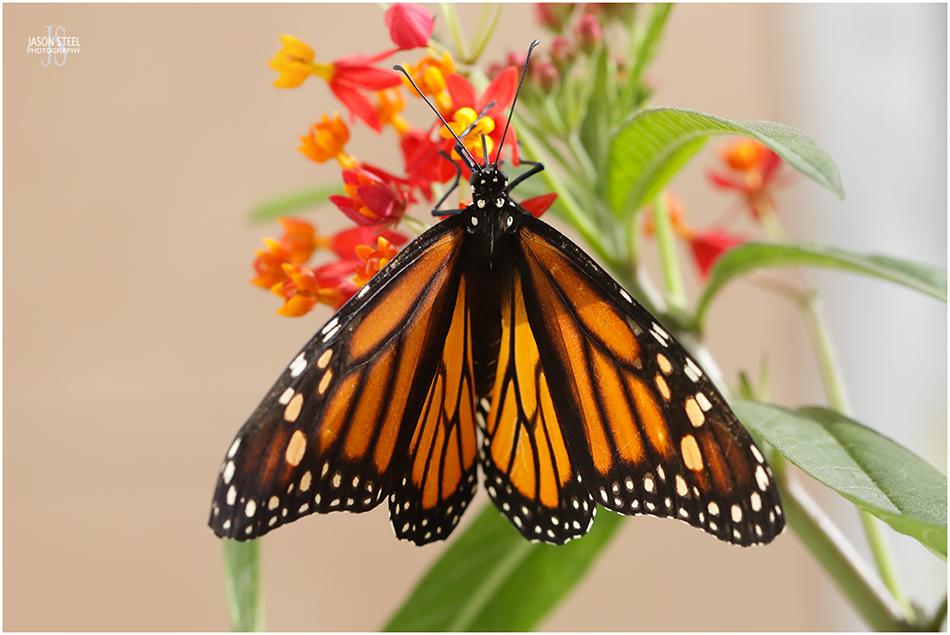
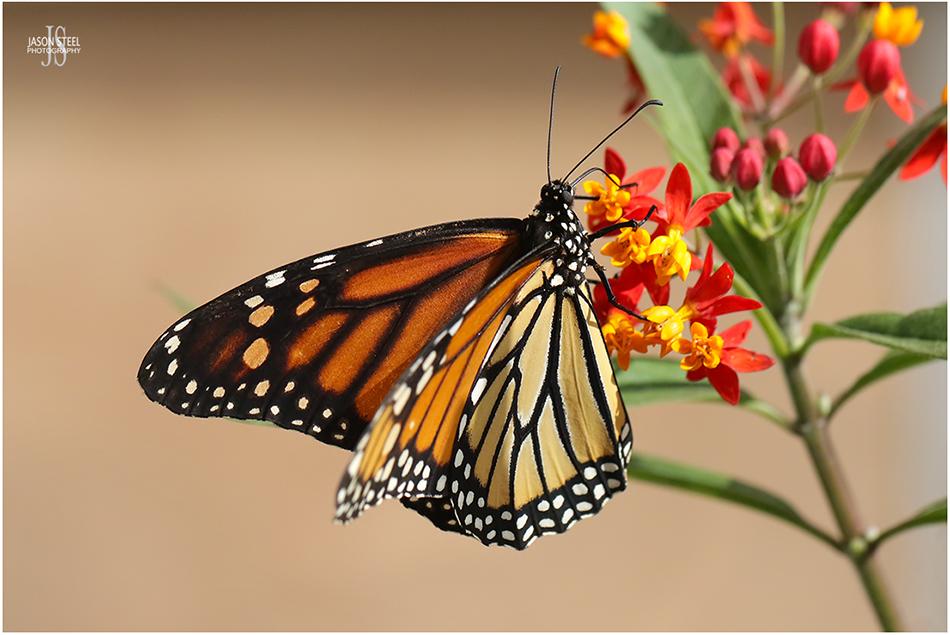
A large female Monarch Butterfly we chased down a busy high street in Fuengirola, 29th September 2025.

Monarch Butterfly  -  (Danaus plexippus)
The Monarch Butterfly is one of the most well known species of butterfly in the world. This large and striking butterfly reaches a wing-span of around 89-102mm. The bright orange colouration of its wings contrasts beautifully with the dark black wing-veins and body.

Monarch Butterflies are best known in the USA for their epic migration in the autumn. Monarch Butterflies in southern Canada and northern USA fly thousands of miles in mass to reach California, Florida and Mexico, where they overwinter. This makes them the insect with the longest migratory distance in the world. The Monarch Butterflies in Spain are believed to have originally arrived by crossing the Atlantic Ocean, and have since established small breeding colonies in warm, coastal areas of southern Spain, particularly around the area of Malaga. Some specimens found in Spain are believed to be sporadic migrants, possibly from the Canary Islands. Occasional adult Monarch Butterflies have been recorded in southern Spain since 1886. It wasn't until around 1960 though that the species was found to be breeding in Spain.

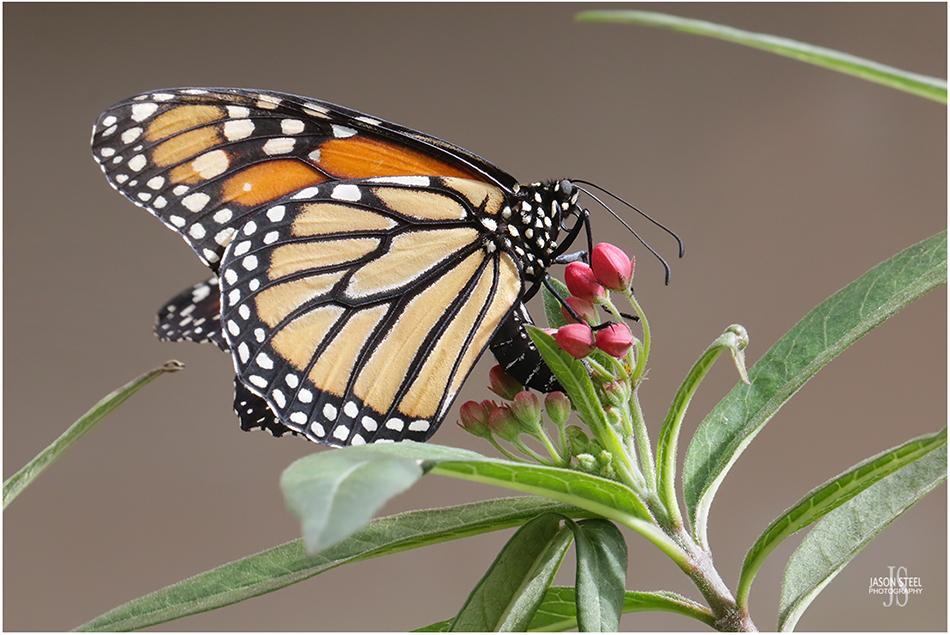
Whilst small numbers of resident Monarchs can be found in southern Spain the lack of the larval foodplant is a major limiting factor for this species in Spain. Caterpillars of the Monarch butterfly feed on Asclepiadaceae, plants from the Milkweed family.

Monarch Butterflies typically lay around 300-500 pale green, or cream-coloured, eggs in total, deposited over a period of 2-5 weeks. Some females can lay over 1100 eggs! Despite the large number of eggs less than 10% of the caterpillars survive long enough to become adult butterflies, mainly due to parasites and predation. Eggs typically take 3-8 days to hatch. In the warm summer temperature the lifecycle from eggs to adult butterflies can complete as quickly as just 25 days. This can take up to 60 days in cooler months. Pupation takes around two weeks before the new butterflies emerge. They then reach maturity after another 4-5 days. Migratory specimens do not mature until they have over-wintered.

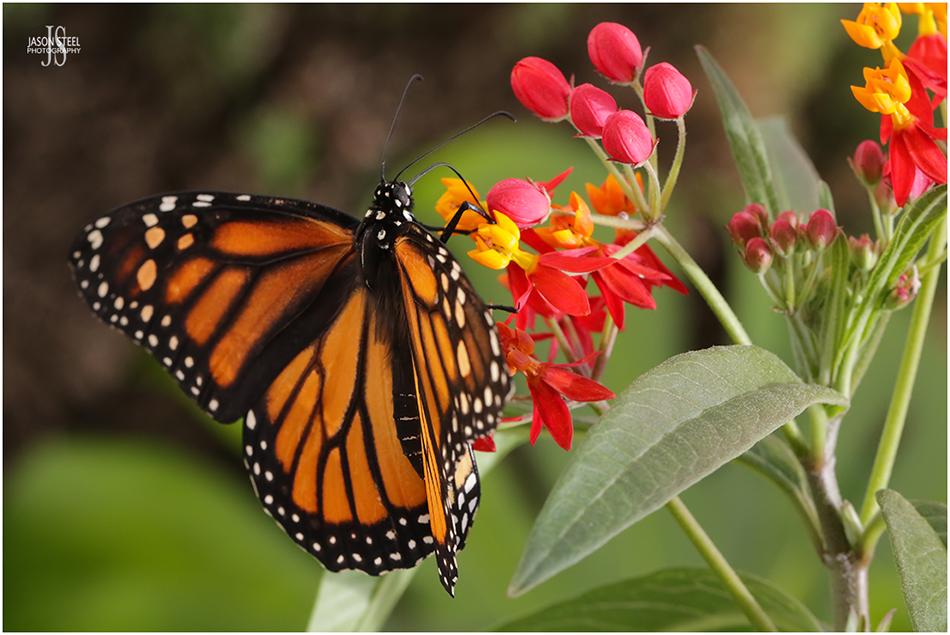
Females are usually slighter darker in shade than the males. They also have wider and darker wing veins too. Males are usually slightly larger and can also be distinguished by the presence of a small black, fuzzy spot found on a vein on the upper surface of each hind wing. These spots contain androconial scales that produce pheromones. White morphs of the Monarch Butterfly can occasionally be found.

The range of the Monarch Butterfly includes the USA, South America, Mexico, Canada, New Zealand, Papa New Guinea, Australia, Spain, Portugal, the Philippines, and Morocco.

Occasionally accidental migrants can sometimes be found in southern England too, most regularly in Cornwall. Random, sporadic records of Monarch Butterflies being found in the UK have come from all over Britain. These accidental arrivals are likely to arrive in the UK as a result of being blown off course during their crossing of the Atlantic Ocean, when flying from North America to Mexico. Unfortunately the lack of availability of the larval foodplant, Milkweed, means the Monarch Butterfly is unable to become established in the UK. Monarchs are the largest species of butterfly to be found in the UK.

LINK 1    LINK 2    LINK 3    LINK 4

A large female Monarch Butterfly we chased down a busy high street in Fuengirola, 29th September 2025.


A large female Monarch Butterfly we chased down a busy high street in Fuengirola, 29th September 2025.


A large female Monarch Butterfly we chased down a busy high street in Fuengirola, 29th September 2025.


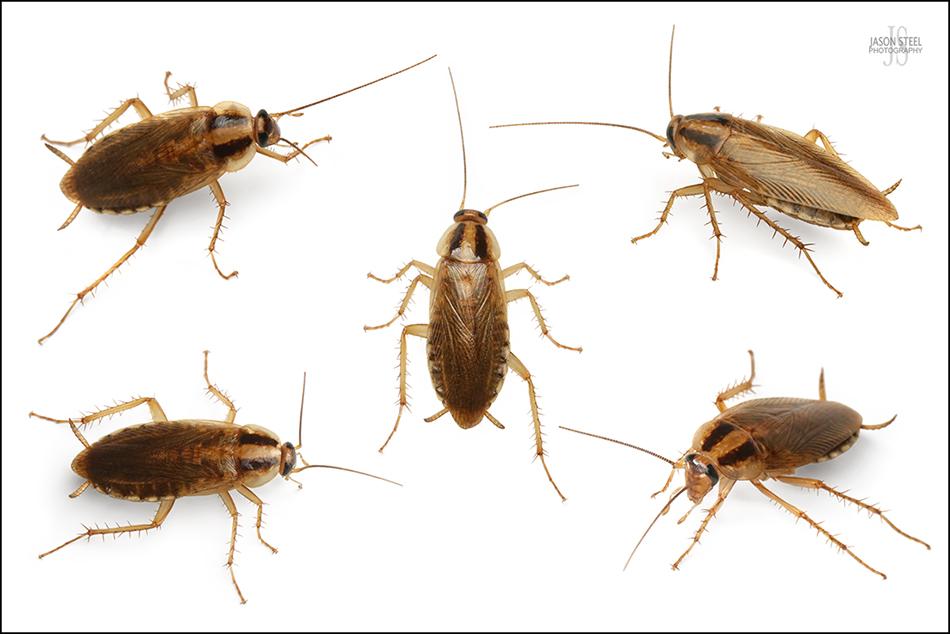
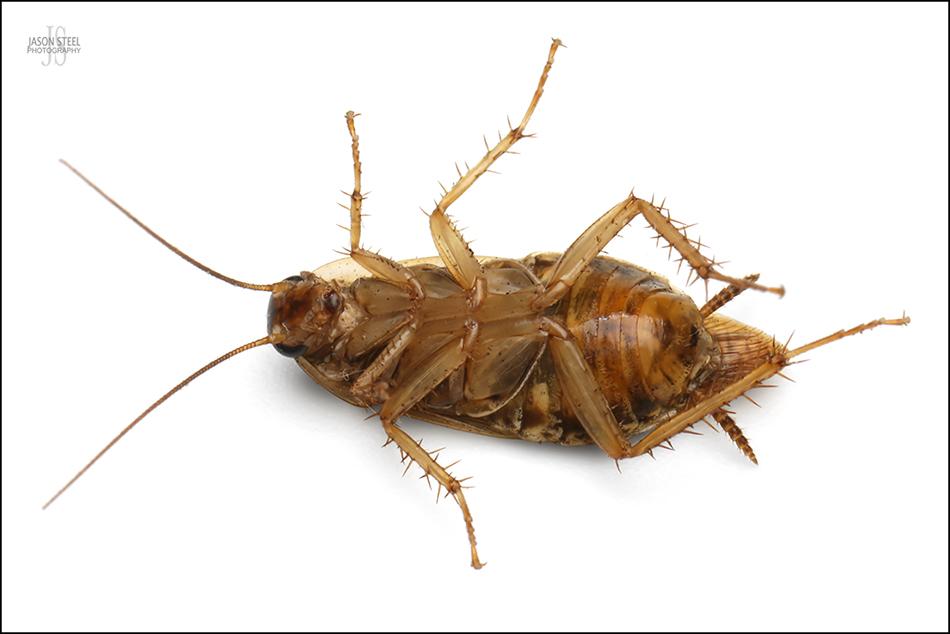
13mm female German Cockroach found scurrying across the floor of our hotel in Fuengirola, 3rd October 2025.

German Cockroach  -  (Blattella germanica)
In Spain there are twelve synanthropic Cockroach species. The three most common pest species of Cockroach in Spain are the German cockroach (Blattella germanica), the American cockroach (Periplaneta americana), and Oriental cockroach (Blatta orientalis). These species thrive in urban areas, particularly around sewers, drains and buildings. They favour warm and humid areas and are most common around the densely inhabited coastal regions. Cockroaches are found all year round but infestations typically peak from late spring and throughout the summer. Synanthropic Cockroaches are a major health concern. Not only do they contaminate foods, surfaces and cooking utensils but they are known to carry pathogens such as Salmonella and E.Coli, which can result in human diseases and cause food poisoning and diarrhoea. 

LINK 1    LINK 2    LINK 3

The German Cockroach, sometimes known as the Croton Bug, is the smallest of the three common species and typically grows to a body-length of around 11-16mm. The Oriental Cockroach typically reaches 18-29mm and the much larger American Cockroach 29-53mm. They are also the most common species found around buildings, and probably the most difficult to control. They breed faster than most other Cockroach species and can grow from an egg, through six or seven instar stages, and then to a mature specimen, in 50-60 days in ideal conditions.

They favour warm, damp habitats and are most problematic around bathrooms and kitchens. Some have developed a tolerance to certain household pesticides. Most specimens are a light tan colour but they can very in shade, with some specimens appearing to be almost black. This species can be distinguished by its two dark, parallel stripes running down the pronotum. The German Cockroach has fully developed wings but is usually incapable of real flight. Some specimens may glide to safety if disturbed. This species was originally believed to be native to Europe but it is now thought that the German Cockroach probably originated from South-east Asia, but made its way to Europe around 2000 years ago. When disturbed the German Cockroach can sometimes emit a foul smelling odour, to deter predators.

The German Cockroach is an omnivorous scavenger but is particularly attracted to meats, sugars and fatty foods. They have been known to also feed on a variety of household goods including glues, soaps and even toothpaste. These Cockroaches may also be cannibalistic when food is in short supply. Males are typically longer, thinner and paler than the females. The German Cockroach can tolerate slightly cooler temperatures than either the American or Oriental Cockroaches. These small Cockroaches are very fast and very agile, and are capable of climbing almost completely flat surfaces.

LINK 1    LINK 2    LINK 3

13mm female German Cockroach found scurrying across the floor of our hotel in Fuengirola, 3rd October 2025.